Search Results
Search this site
1784 results found with an empty search
- Jerry Garcia
Jerry Garcia was undeniably one of the most well-known figures in the history of rock 'n' roll. His image and music are instantly recognizable to people around the world. Here are some interesting facts about him: (Photo Fanart.TV) = He was born on August 1, 1942, in San Francisco, California. His full name was Jerome John Garcia and he was named after the Broadway composer Jerome Kern. = Jerry was surrounded by music as a child; his father was a professional musician, and his mother loved opera. = At age 4, Jerry lost two-thirds of his right middle finger in a wood-chopping accident with his brother. = At age five, Jerry witnessed his father's tragic death when he was swept away while fishing in a California river. =Jerry had childhood asthma, which kept him bedridden and fostered a love for reading, especially comic books. = He attended art classes at the California School of Fine Arts during high school, cultivating his lifelong passion for visual arts. = Garcia received his first guitar as a gift from his mother in 1953. It was a Danelectro electric with a tiny Fender amplifier. = His first idol on the guitar was Chuck Berry. = In 1960 Jerry survived a car accident that killed a close friend, an event he considered a turning point in his life. = In 1962 Garcia became a regular on the radio broadcast of The Midnight Special, a folk music show in Berkeley, California. = In 1963 Jerry and Sarah Ruppenthal performed as "Jerry and Sarah," playing acoustic music from the 1920s and 1930s. Sarah later became Jerry's first wife. = Jerry’s first band was a group called "the Chords". They won a contest and their reward was recording a song. They chose Bill Justis’s "Raunchy." = He enlisted in the Army at 17 but was dishonorably discharged nine months later. = Jerry’s first paid gig was with his future songwriting partner, Robert Hunter, under the name "Bob and Jerry". They earned five dollars each. = In 1962, Jerry formed the bluegrass band "Hart Valley Drifters" with Robert Hunter, later known as the "Wildwood Boys". = He met Bob Weir and founded "Mother McCree's Uptown Jug Champions". After seeing "the Beatles'" film "A Hard Day’s Night", Jerry was inspired to transition into an electric rock band. = In 1965 the band evolved into "the Warlocks" and eventually became "the Grateful Dead", after discovering another band with the same name. (Photo Fanart.TV) = The band mixed blues, jazz, folk, country, bluegrass, rock and roll, gospel, reggae, and world music with psychedelia. = The band was famous for improvisation during their live performances and attracted a devoted fan base, known as "Deadheads". = "The Grateful Dead" name was chosen by Jerry after randomly picking it from a dictionary. = Around this time, the psychedelic drug LSD was gaining popularity. Garcia first began using LSD in 1964. later, when asked how it changed his life, he remarked: "Well, it changed everything...". = Jerry earned the nickname "Captain Trips" for his association with LSD, a major influence on the "Grateful Dead's" music and culture. = Jerry became one of the originators of the "San Francisco Sound," along with artists like Janis Joplin. = In 1966 "The Grateful Dead" released their first single, "Stealin’", with "Don't Ease Me In" on the flip side. = The band's debut album - "The Grateful Dead" was released in 1967. = Until 1989 the band released 13 studio albums, but their discography includes more than 200 albums, the majority of them recorded live in concert. = Although "the Grateful Dead" played at "Woodstock" in 1969, they did not appear in the Woodstock movie because Jerry wasn’t satisfied with their performance. = In 1970 "The Grateful Dead" released "Workingman's Dead" and "American Beauty", which helped solidify their iconic sound. = Jerry collaborated with "Jefferson Airplane", contributing to their iconic album "Surrealistic Pillow" as a "spiritual advisor" and uncredited musician. = He worked closely with David Crosby, playing on Crosby’s solo album "If I Could Only Remember My Name". = Jerry also contributed to "Déjà Vu" by "Crosby, Stills, Nash & Young", adding his signature guitar work to the track "Teach Your Children". "CSNY" gave him lessons in vocal harmonies, which he successfully applied on subsequent albums of "The Grateful Dead" - "Workingman's Dead" and "American Beauty". = He also worked with Paul Kantner on the "Blows Against the Empire" album, contributing guitar to this sci-fi concept record. = Jerry was involved with the band "It's a Beautiful Day", playing pedal steel guitar on their debut album, most notably on the track "White Bird." = In 1970 Jerry contributed to the soundtrack of Michelangelo Antonioni’s film "Zabriskie Point", composing and performing music for the movie's love scene. = He collaborated with Stephen Stills on his 1970 self-titled debut album, contributing guitar to several tracks. = He also contributed to Graham Nash's debut album "Songs for Beginners" from 1971. = He also contributed to the "Hooteroll?" album by Howard Wales in 1971, blending jazz and rock in a unique fusion. = The same year he was part of the country rock band "New Riders of the Purple Sage". They released their debut eponymous album the same year. = Jerry also worked with Graham Nash and David Crosby, providing guitar for their album "Graham Nash David Crosby" from 1972. = In 1972 he released his first solo album named "Garcia" later became known as "Compliments of Garcia". He released 3 more albums as a solo artist. = Jerry also contributed to Art Garfunkel's album "Angel Clare" from 1973, showcasing his versatility beyond the "Dead's" sound. = Garcia's collaboration with Merl Saunders started in 1973 and produced several albums, including "Live at Keystone" and "GarciaLive Volume Three". = In 1974 "The Grateful Dead" temporarily disbanded due to exhaustion and financial troubles, but resumed touring the following year. (Photo Fanart.TV) = Jerry’s love for bluegrass led to collaborations with "Old & In the Way", a bluegrass supergroup featuring David Grisman, Peter Rowan, and Vassar Clements. They released their debut eponymous album in 1975. = In 1975 he formed "The Jerry Garcia Band", which became his second-longest-running group after "The Grateful Dead". = They released their debut album "Cats Under the Stars" in 1978, and since then 31 more albums, most of them Live ones. = In 1977 "The Grateful Dead" released "Terrapin Station", which featured the epic title track that became one of the band's signature songs. = The same year Jerry starred in "The Grateful Dead Movie", which he helped produce and edit. = Jerry’s most notable film appearance outside "The Grateful Dead Movie" is in the documentary "Gimme Shelter", which covers " the Rolling Stones’" disastrous 1969" Altamont Speedway concert". = Jerry and Bob Dylan performed together multiple times, and "the Grateful Dead" backed Dylan during his 1987 tour, resulting in the live album "Dylan & the Dead." = in 1980 Garcia was named "Bay Area Musician of the Year" through a readers' poll in Bay Area Music magazine. = In 1985, Jerry composed the eerie theme music for CBS's revival of "The Twilight Zone," performed by "the Grateful Dead". = After recovering from a 5 days diabetic coma in 1986, Jerry received over 65,000 calls on "the Grateful Dead" hotline from concerned fans. = In 1987 "Ben & Jerry’s" released "Cherry Garcia," the first ice cream flavor named after a musician. = The same year Jerry recorded a radio commercial for Levi’s Jeans, helping out friends in need of work. = In 1988 Jerry won awards for Musician of the Year and Best Guitarist at the Bay Area Music Awards. = His collaboration with David Grisman resulted in the acclaimed Garcia/Grisman album from 1991, blending folk, bluegrass, and jazz. They continued to release "Not for Kids Only" in 1993. = He was a passionate visual artist, holding his first art exhibit in 1991 at the Weir Gallery in Berkeley, California. Prices for his works ranged from $300 to $40,000. = The same year he also published a book of his artwork, "The Book J. Garcia: Paintings, Drawings, and Sketches". = In 1993 Jerry sang the national anthem at the San Francisco Giants' opening day. (Photo Fanart.TV) = Jerry’s love for scuba diving grew in his later years, providing a peaceful escape from his tumultuous lifestyle. = He co-founded the "Rex Foundation", a non-profit organization supporting various social and environmental causes. = Jerry passed away from a heart attack on August 9, 1995, at the age of 53, just days after his birthday. = His ashes were divided and scattered in the Ganges River in India and beneath the Golden Gate Bridge, reflecting his spiritual and geographical connections. = Jerry's last recording was a cover of Jimmie Rodgers' "Blue Yodel No. 9". = Rolling Stone ranked Jerry #46 in its list of The 100 Greatest Guitarists of All Time. Carlos Santana, who wrote Jerry’s entry, praised him for blending blues, bluegrass, and even elements of Ravi Shankar’s music. "Face/Off" - Israel's Rock Blog Follow us on Facebook / Instagram or Subscribe to our website
- Scott Stapp
His charismatic but very complicated personality is very famous and after the breakup of his mother band, he tried to embark on a new path. No doubt he has a tremendous voice and is also a talented musician, here are some facts about the musician Scott Stapp: (Photo: houseofblues.com) 1. His full name is Anthony Scott Flippen and he was born on August 8, 1973, in Florida, USA. 2. At the age of 5 his father left home and reluctantly Scott became the responsible adult with two little sisters when his mother was barely present at home. 3. When he was 10 years old his mother remarried and Scott got a new dad, he said it was a dream come true since he gave back the "dad" responsibilities and was less bullied at school for not having a dad. 4. His new father also had very strong religious influences on Scott, he forced him to read the Bible every day. In addition, he would require him to copy entire chapters and then write his enlightenments on each chapter. The subject of Christianity greatly influenced Scott and accompanied him throughout his life. 5. Scott was very influenced by Elvis Presley, his mother was in love with Elvis and there were a lot of his records at home. Scott learned to sing while imitating Elvis' songs, this is what got him into the school's choir, the first step in his musical career. 6. In one of the interviews, Scott said that when his mother was in a crisis and did not know how to feed her children, he assured her that one day he would be more famous than Elvis and that she would never have to worry about anything. 7. In addition to music Scott has developed a more significant hobby, baseball player. The sport was his escape from reality and the fact that his father whom he admired was also a baseball player only gave him more motivation to invest in the sport. He dreamed of playing in college and becoming a player in the professional league but it did not materialize. 8. Scott who wanted to be a professional baseball player wanted to study at Vanderbilt University where he was promised a baseball scholarship but his father refused and sent him to a Christian university. As his dream shattered, Scott returned to Florida and began studying at Florida State University where he met his high school friend Mark Tremonti. 9. Scott realized that his future in baseball was gone and in search of his new future he remembered the promise he made to his mother in the context of Elvis... (Photo: Last.fm) 10. In 1994 during their studies the two discovered the common love they have for creating music and started writing and playing together. In order to form a band, the two began recruiting more members to the band and after several auditions joined Brian Marshall on bass, Scott Philips on drums, and guitarist Brian Brasher (but Brian left after less than a year). 11. The band name was brought by Marshall from his previous band name "Mattox Creed", Stapp liked the word "Creed" and everyone decided on the name. By the way, the band's first name which was only for a week, was "Naked Toddler". 12. The band's debut album "My Own Prison" was released in 1997 and was a huge success with sales of over 6 million copies. Four singles were released from the album: "My Own Prison", "Torn", "What's This Life For", and "One" and four of them took first place on the Billboard Rock chart. Which made the band the first to achieve this with a debut album. 13. Scott said that what made this album so successful for him was the synergy between him and Mark with the producer/recording technician, John Kerswick. The three young guys had a talent that developed over the years and when they combined it together in the studio it was perfect. 14. The band's second album "Human Clay" was released in 1999, when the first single from the album "Higher" topped the charts and spent 17 weeks in first place. With the release of the album, it immediately took first place on the Billboard 200 and became a huge success, selling about 10 million copies in the first two years and giving the band its first and only Grammy win. 15. After touring to promote the album, Brian's addiction to alcohol gained momentum, Termonti and Scott demanded he will be put in rehab if he want to stay in the band. Since he refused to rehab he was fired and on the band's next album, Tremonti was the one who also played the bass. 16. The band's third album "Weathered" was released in 2001 and was also a resounding success, taking first place on Billboard and staying there for 8 consecutive weeks. The tour to promote the album, which was a huge success, was actually the band's swan song, this time it was Scott's addiction to alcohol and painkillers that decided. 17. One of Scott's most difficult experiences with the band was addressing the issue of Christianity. In light of Scott's religious lyrics and various statements about the way God passes through his songs, many have given the band the label 'Christian band'. The rest of the band members who did not connect and even resent the label hung the blame on Scott and which was hard for him to cope. 18. The breaking point was in December 2002 when Scott went on stage drugged and drunk and failed to fully complete a single song. The show that took place in Chicago was stopped and two years later the band officially disbanded. (Photo: Thom Seling) 19. In 2009 the quartet returned and released their fourth album "Full Circle". The album was not a great success, but one performance from the tour broke records. The band performed in September 2009 in Houston Texas in front of 239 cameras and millions of viewers, with the show being broadcast live via the Internet. There were a number of other Guinness records broken in this show. 20. In 2012 Scott and Mark entered the studio to work on "Creed's" next album, despite rumors about the hours the two spent together creating new music, at one point Mark abandoned the project in light of the deteriorating relationship between the two and the album did not materialize. 21. In 2005 Scott released his debut solo album "The Great Divide". Scott said he released the album to encourage his ego. After the breakup of "Creed", his drug and alcohol addiction intensified and he looked for a way to prove to the world that the band is not everything and that he is bigger than it. The album from which the singles "Justify" and "Surrounded Me" came out was a great success and even reached number 19 on Billboard. 22. After the release of the album, Scott's condition deteriorated due to his addiction to alcohol and drugs. It failed to function and the acoustic and special tour that began at the end of September ended after only one month. 23. In 2013 Scott released his second solo album "Proof of Life", Scott said that this is the most significant and sincere album he has created in his life. In this album, he shares all the mess he had in life as he tries to turn it into different and positive messages. (Photo: Sebastian Smith) 24. In 2016 Scott replaced Scott Weiland in the band "Art of Anarchy", he released with them one album “The Madness” which was released that year. He was then sued by the band for refusing to participate in the campaign to promote the album. 25. In 2019, his third album “The Space Between the Shadows” was released. The album was a comeback that brought Scott back to the headlines. 26. For most of his life Scott suffered from mental problems that led him to drugs and alcohol, his problematic personality created a lot of friction in "Creed", which led to various arrests and even several suicide attempts. In 2015, Scott told, "People" magazine in an interview that he was diagnosed as "bipolar" and that gave him the answer he had been looking for all his life, in drugs, alcohol, and religion. 27. In July 2023 Creed announced they will reunite for their first shows in 12 years, they set sail on the "Summer of ’99" cruise as headliners of the rock voyage, and the band will perform together with other bands like "3 Doors Down". 28. In March 2024, at the same time as the Creed reunion, Scott releases his fourth solo album "Higher Power". Listen to his latest solo album on: Spotify, Apple Music "Face/Off" - Israel's Rock Blog Follow us on Facebook / Instagram or Subscribe to our website
- Halestorm - Everest
On August 8, 2025, "Halestorm" released their sixth studio album "Everest". After the defiant comeback of "Back from the Dead", "Halestorm" faced an obvious challenge. They could have doubled down on the arena-ready hard rock formula that had carried them for over a decade, or they could dismantle it and search for something less predictable. "Everest" chooses the latter. It is a heavier emotional record than a heavier musical one, trading immediate hooks for atmosphere, vulnerability, and a broader dynamic range. Working with Dave Cobb proved to be the defining creative decision. Known primarily for his work outside the hard rock world, Cobb strips away much of the band's polished sheen in favor of organic performances that breathe. The guitars remain powerful, but they are no longer expected to dominate every moment. Instead, space becomes another instrument, allowing tension to build before the inevitable explosion. The production never sounds restrained, only more confident in knowing when not to be loud. At the center of everything is Lzzy Hale, whose vocal performance ranks among the strongest of her career. Rather than relying solely on the commanding screams that made her one of modern rock's defining voices, she spends much of the album exploring restraint. When the power finally arrives, it carries considerably more weight because it has been earned. Before a single note of Everest was committed to tape, "Halestorm" deliberately abandoned the creative habits that had defined much of their previous catalog. Rather than arriving with polished demos and fully arranged songs, the band embraced Cobb's insistence on beginning with a blank slate. Recording took place in Savannah, Georgia, where the four members lived together in a house converted into a working studio, isolated from the distractions of touring and everyday life. Cobb encouraged ideas to be captured the moment inspiration struck, often writing and recording simultaneously instead of refining songs through endless revisions. The process was designed to preserve spontaneity rather than perfection. That philosophy is audible throughout the album. Many of the performances came from the earliest takes, with Cobb favoring instinct over technical precision and encouraging the band to play together as naturally as possible. Instead of polishing away every rough edge, the sessions preserved the chemistry that has always made "Halestorm" such a formidable live act. The result is an album that feels remarkably alive, balancing meticulous production with the raw excitement of musicians discovering the songs as they were being created. At the center of everything is Lzzy, whose vocal performance ranks among the strongest of her career. Rather than relying solely on the commanding screams that made her one of modern rock's defining voices, she spends much of the album exploring restraint. When the power finally arrives, it carries considerably more weight because it has been earned. The title track "Everest" perfectly summarizes the album's ambition. Beginning with measured intensity before rising into an expansive chorus, the song captures perseverance without descending into cliché. Joe Hottinger's guitar work favors melody over technical flash, while the gradual build mirrors the metaphorical climb described throughout the lyrics. If "Shiver" demonstrates the band's newfound subtlety, "Rain Your Blood On Me" reminds listeners they have lost none of their aggression. Its crushing riff, thunderous rhythm section and unapologetic attitude create one of the album's heaviest moments, with Arejay Hale delivering explosive drumming that constantly pushes the song forward while Josh Smith anchors the low end with remarkable precision Earlier single "Darkness Always Wins" remains one of the album's emotional highlights. Rather than offering false optimism, it embraces uncertainty through cinematic arrangements and a slow-burning chorus that lingers long after the song ends. It reveals a band increasingly comfortable allowing melancholy to coexist with power. Elsewhere, "Like A Woman Can" balances swagger with social commentary, "WATCH OUT!" injects frantic energy through sharp rhythmic shifts, while "How Will You Remember Me?" closes the album on a surprisingly introspective note, asking uncomfortable questions about legacy instead of celebrating victory. Not every experiment lands perfectly. The middle section occasionally loses momentum, and some arrangements favor mood over memorable hooks. Listeners expecting another collection of instant radio anthems may initially find the pacing unusually patient. Yet repeated listens reveal an album that values emotional payoff over instant gratification. What ultimately separates "Everest" from much of "Halestorm"'s catalog is its maturity. Rather than trying to outdo previous records in volume or aggression, the band focuses on honesty. The performances feel lived in, the songwriting feels less calculated, and the emotional stakes feel higher than ever before. Visually, the cover of the album immediately signals that this is not another routine chapter in the band's career. Rather than featuring a conventional band portrait, the cover embraces the grand fantasy aesthetic of classic hard rock and heavy metal, recalling the hand painted, larger than life imagery that adorned albums by Black Sabbath, Dio and Rainbow during the genre's golden era. Guitarist Joe Hottinger explained that the band wanted artwork that would spark curiosity at first glance, the kind of cover that makes listeners stop, study the details and want it hanging on their wall as a poster. Elements woven into the illustration also reference songs from the album, reinforcing the idea that Everest is a complete visual and musical experience rather than simply a collection of tracks. The album may not deliver as many immediate singalong moments as "The Strange Case Of..." or "Back from the Dead", but it is arguably the band's most cohesive artistic statement. It finds "Halestorm" embracing discomfort, trusting silence as much as distortion, and proving that genuine growth often comes from climbing unfamiliar mountains rather than revisiting familiar peaks. For Listening: Spotify | Apple
- Breaking Benjamin - Phobia
"Breaking Benjamin's" album "Phobia" was released on August 8, 2006, and the celebration is quite gloomy we must admit... Exactly according to the name of the album so does its cover, its content and everything that goes around it, everything speaks the same language about phobias and fears, but that is precisely what makes this album so special. The fact that the band is the essence of Benjamin Burnley, is not new, he is the band leader and has the main rule in lyrics and music writing. Now imagine a person who has been addicted to alcohol for several years in such a severe way that it has created in him a chronic disease of headaches, nausea, and other symptoms, so severe that sometimes he even fails to function. In addition to this difficult physical condition, he developed various and strange anxieties such as fear of death, fear of the dark (yes, yes there is that for adults as well), hypochondria, and fear of flying. Sounds delusional to impossible but it is true, several times Burnley has shared the difficult situations and adversity he is going through as a result of these anxieties and this is of course also what strengthened his addiction to alcohol. All of these caused him to get into stressful situations, nervous breakdowns, and situations of mental and physical distress. (Photo: YouTube.com) This album reveals Burnley's wounded soul, his coping, his internal mechanisms, his distress situations, and everything to do with his fears. Aside from the band’s powerful and all-too-familiar melodies and riffs we also get Burnley’s voice in an extraordinary way here. His voice is sometimes pleasant and caressing and sounds optimistic but he often, screams and cuts until you feel the distress penetrating through the eardrum. There are undoubtedly gloomy and dark lyrics (sometimes a little optimistic), and sentences that will make your spine shiver, and all of these are combined with the musical power of the band creating a very strong package of powerful sound. To complete the music inside, the album cover features a figure hanging in the air with angel wings above a flight path, the contrast of the flight path is a symbol of Burnley's fear of flying, and the angel wings are a symbol of hope, create a kind of reflection here. The album also opens and ends with two musical pieces with the sounds of an airport terminal in the background. Again a display of one of Burnley's great fears just to put us in the mood for the album. A number of very successful singles have come out of this album, which to this day are the band's hallmark like "The Diary Of Jane" which is one of the band's most famous songs, "Dance With The Devil", "Breath" and "Until The End". By the way, there is a Best-Buy version and a Japanese version of the album which has song number 14 which is an acoustic rendition of the song “The Diary Of Jane”. This is the band's third album and one of their best, for those who do not know the band we recommend starting with this album. Listen to the album on: Spotify, Apple Music "Face/Off" - Israel's Rock Blog Follow us on Facebook / Instagram or Subscribe to our website
- Scorpions - Moment of Glory
On August 8, 2000 "Scorpions" released their album "Moment of Glory". As its name hints "Moment of Glory" was meant as a unique project for the band's 35th anniversary, celebrating their long career. The album was recorded in collaboration with the Berlin Philharmonic Orchestra and features re-arranged songs from the Scorpions' repertoire, classical interludes, a cover song, and the new single "Moment of Glory." Initially, English composer Andrew Powell was asked to provide arrangements for the album. However, when Michael Kamen, the next designated arranger, gave up the job to work with "Metallica" on their album "S&M", Austrian arranger and conductor Christian Kolonovits stepped in as the right collaborator. Kolonovits' contributions were pivotal in blending the band's hard rock sound with orchestral elements. The "Moment of Glory" concert program premiered at the Hannover EXPO in June 2000, with Christian Kolonovits conducting the Berlin Philharmonic Orchestra. This live performance was filmed and released on VHS and Video CD in December 2000. In 2001, the show toured seven cities in Russia and the Baltic countries, with Kolonovits and Scott Lawton alternating as conductors. The result is a grand, ambitious project that blends the raw energy of rock with the sophistication of classical music. The album includes orchestral versions of classic "Scorpions" songs such as "Rock You Like a Hurricane", "Wind of Change", "Send Me an Angel", "Big City Nights", "Lady Starlight" and "Still Loving You." It also features new compositions like the title track "Moment of Glory." Apart from Klaus Meine, the album features guest vocal performances by artists such as Zucchero and Ray Wilson. One of the standout tracks on the album was the opening track - "Hurricane 2000" - a reworking of "Rock You Like a Hurricane". The addition of orchestral elements transforms the classic rock anthem into an epic, cinematic experience with a great dramatic opening. It also served as the official theme song for the Sabres Hockey Network broadcasts, emphasizing its broad appeal. The album title track "Moment of Glory" is the only new song written specially fo the occasion to celebrate the band's 35th anniversary as a "moment of glory". It was the official anthem of the EXPO 2000 in Hannover, Germany, encapsulating the album's spirit. It’s a soaring, uplifting piece that showcases Klaus Meine’s emotive vocals and the orchestra’s sweeping arrangements. The album also includes "Deadly Sting Suite": An instrumental medley based on "He's a Woman, She's a Man" and "Dynamite", this track highlights the intricate interplay between the band and the orchestra, creating a powerful and evocative musical journey. The band decided to include one cover song "Here in My Heart", which was written by Diane Warren and previously recorded by Tiffany, this ballad gains new depth with the orchestral backing, allowing Meine's heartfelt delivery to shine. The fifth track "Crossfire" repeats the main theme of the Russian song "Moscow Nights". While "Moment of Glory" received mixed reviews, with some fans longing for the band's harder edge, the album's innovative spirit is undeniable. Though at times it may feel overly grandiose to traditional rock fans, the blend of rock and classical elements is executed with precision and the collaboration with the Berlin Philharmonic Orchestra adds a new dimension to the "Scorpions" music, highlighting their versatility and creativity. "Face/Off" - Israel's Rock Blog Follow us on Facebook / Instagram or Subscribe to our website
- The Edge
The Multi Delay Man... The king of sound and effects..... The one that made the guitar sound like a fighter jet in "Bullet the Blue Sky" .... The one that made it sound like a helicopter in the song "Mofo", and forced her to produce dentist drill sounds in the song "Love Is Blindness" ... The man who changed the whole perception about how the guitar can sound - The Edge, is celebrating his birthday today !! (Photo: RMV) Let's tell you 40 interesting facts about him: 1. He was born to parents of Welsh descent on August 8, 1961, in the Essex region of England. The name given to him at birth was David Howell Evans. 2. When he was a year old his father got a job promotion and the family moved to Dublin. 3. As a child, The Edge received a Catholic Christian education. 4. From an early age he learned to play the guitar and piano, and practiced playing with his older brother Richard nicknamed Dik. 5. He got his first guitar at age 7, it was a classical guitar and he was not really enthusiastic about it. 6. At the age of 9 he got his first serious guitar it was a used acoustic guitar that his mother bought him. From that moment on he began to take playing seriously along with his brother Dick. 7. He attended "Mount Temple" High School where he also met his future U2" bandmates. 9. On September 25, 1976, drummer Larry Mullen Jr. posted an ad on the school bulletin board. The Edge, his brother Dik Evans who played guitar, singer Bono and bassist Adam Clayton responded to the ad and so the band "Feedback" was formed. 9. The band made its debut in April 1977 at St. Fintan's High School. 10. Later the band was renamed "The Hype" and won a talent contest. 11. Immediately afterward Dik Evans left the band to join another local band called "Virgin Prunes", thus forming the lineup that would become "U2" in March 1978. (Photo: Wordpress) 12. In the early days of the band, Dave Evans was given the nickname "The Edge" by the street gang in Dublin to which he belonged. By the way, the same band also gave the nickname to singer Bono. 13. One version says that the nickname was given to him due to the shape of his pointed head, while other versions say that it is related to his "cut" playing on the guitar and his preference not to be involved and watch from the side when arguments and fights occur. 14. The band began performing in small clubs in Dublin starting in 1978. 15. In 1979 they first appeared outside Ireland, in London. 16. That same year "U2" was already signed on a recording contract by the "CBS" branch in Ireland and released a triple series of mini-albums called "U2-3". 17. In March 1980, the band released their debut album "Boy". Already there one could discern the all-unique Celtic fret style of The Edge on guitar, a style that has become so identified with the band. 18. After finishing the tour of the second album "October", The Edge was very close to leaving the band for religious reasons. He deepened his membership in a Christian group called the "Shalom Tigers". The Christian group also included Bono and drummer Larry Mullen Jr. 19. Eventually The Edge decided to stay in the band and immediately afterward began writing what would become one of its big hits "Sunday Bloody Sunday". 20. Beyond playing the guitar, The Edge was in charge of background vocals and he sometimes even complements Bono's vocals and helped him in a very harmonized and enriching way. 21. The Edge also sang solo in a number of the band's songs such as "Van Diemen's Land", "Numb", the first half of the song "Seconds" and co-singing with Bono in the song "Discotheque". 22. The Edge is also responsible for playing the keyboards in the band, several notable examples: "October", "New Year's Day", and "Running to Stand Still". 23. He sometimes also plays bass guitar, as in the song "40" from the album "War" in which he exchanges roles with Adam Clayton. 24. In 1985 he appeared with "U2" in the charity show "Live Aid". 25. In 1986 he wrote the soundtrack for the movie "Captive". It is considered The Edge's only solo album and features Larry Mullen Jr. and Sinéad O'Connor, among others. 26. In March 1988 he won with "U2" their first two Grammys on the masterpiece album "The Joshua Tree". 27. In the future, Edge and the band will win another 20 Grammy Awards !!! 28. In 2002 he appeared on an official stamp of Ireland. 29. In 2005 he entered with "U2" into the "Rock and Roll Hall of Fame". 30. In 2007 he received an honorary doctorate in music from the University of Berkeley. (Photo: Bob King) 31. In 2008 he starred in the documentary "It Might Get Loud" alongside Jimmy Page and Jack White. The three focused on the wonderful guitar, musical styles, and sound techniques that can be derived from this amazing instrument. 32. In his twenties he began to lose hair and has since appeared in public with a hat on. 33. Together with "U2" he released 14 studio albums, 9 mini-albums, and one live album. 34. In addition to his work with "U2" The Edge has recorded with artists such as: Johnny Cash, B.B. King, Tina Turner, Ron Wood, Jay-Z, Rihanna, and more. 35. He wrote the theme song for the animated series "The Batman". 36. In 1995 he co-wrote with Bono the theme song for the James Bond film "GoldenEye". 37. He co-wrote with Bono the lyrics and music for the 2011 musical "Spider-Man: Turn Off the Dark." 38. In 2020 he co-wrote with Bono the official Euro 2020 song together with Martin Garrix who has won the title of best DJ in the world four times. 39. In 2010 he was ranked by Gibson at number 23 on the list of the best guitarists of all time. Company representatives noted that he has created a distinctive and unique sound that is only identified with him. 40. In 2015, Rolling Stone magazine ranked him and Bono 35th out of 100 best songwriters of all time. 41. He is ranked 38th on Rolling Stone magazine's "100 Greatest Guitarists" list. "Face/Off" - Israel's Rock Blog Follow us on Facebook / Instagram or Subscribe to our website
- Jon Bon Jovi - Blaze of Glory
On August 7, 1990 Jon Bon Jovi released his debut solo album Here are some facts about it: = The album was Jon Bon Jovi's first solo project while the band was on a break after their "New Jersey Syndicate tour". = The album includes songs from and inspired by the movie "Young Guns II". = Emilio Estevez initially requested "Bon Jovi's" "Wanted Dead or Alive" for "Young Guns II", but Jon Bon Jovi felt the lyrics didn’t fit and wrote "Blaze of Glory" instead. = Jon Bon Jovi wrote "Blaze of Glory" after borrowing a script from the movie from his friend Emilio Estevez. = Jon Bon Jovi performed the song acoustically for screenwriter John Fusco, who loved it and included it in the film. = "Blaze of Glory's" lyrics tell the story of a gunslinger facing his own mortality. = The track's lyrics reference Cain and Abel from Genesis. = Jon Bon Jovi wrote the lyrics to "Blaze of Glory" on a napkin in a diner on the set of "Young Guns II". = In 1990, guitarist Aldo Nova wrote the main guitar riff for the song. = Jon Bon Jovi worked with Aldo Nova on his album "Blood on the Bricks" after Nova contributed to "Blaze of Glory". = "Blaze of Glory" spent one week at No. 1 on the Billboard Hot 100 chart and helped the album achieve triple-platinum sales. = It won a Golden Globe for Best Original Song, received an Oscar nomination, and the album received Grammy nominations. = "Blaze of Glory" is Jon Bon Jovi's only solo No. 1 single, topping the Billboard Hot 100 on September 8, 1990. = "Blaze of Glory" music video was filmed at "The Rectory" near Moab, Utah and involved filming atop thousand-foot cliffs outside Moab, Utah, with all equipment flown in by helicopter. Jon and the crew camped out in the desert heights for three days. = Photographer Mark Weiss captured Jon for the album’s back cover during the video shoot. There are also few shots of Jon with a rainbow in the background from this session. = The album was completed in seven weeks with two studios running 12 hours a day. = The album was produced by Jon Bon Jovi and co-produced by Danny Kortchmar, known for working with Neil Young and Don Henley. = The recording sessions featured Elton John, Little Richard, Jeff Beck (who played slide guitar on the title track and 6 more tracks), Randy Jackson (who played bass on the title track and 6 more tracks), and Aldo Nova (who wrote the main guitar riff for "Blaze of Glory" and plays guitars keyboards) and more. = The songs "Blaze of Glory" and "Dyin' Ain't Much of a Livin'" featuring Elton John on piano. He also sang backing vocals on "Dyin' Ain't Much of a Livin'". = The album peaked at No. 3 on the US Billboard 200 and No. 2 on the UK Albums Chart and was certified double-platinum in the US. = It also achieved sustained transatlantic success, including a gold disc in the UK. = The song "Miracle" reached No. 12 on the US Billboard Hot 100 and Cash Box, and No. 20 on the Album Rock Tracks charts. = The music video for "Miracle" features Jeff Beck on guitars and stars Matt LeBlanc in one of his earliest acting appearances. = The single "Never Say Die" was released only in Poland, Canada, and Australia. = "Bang a Drum" was later covered by Chris LeDoux in 1998, featuring Jon Bon Jovi on guest vocals and Shawn Lane on guitar solo; this version reached No. 68 on the US Hot Country Songs chart and had a music video. = Jon Bon Jovi made his acting debut in "Young Guns II" as a pit inmate who is shot back into the pit. = The song "Blaze of Glory" remains a crowd favorite and is regularly performed in "Bon Jovi's" live setlists, over 500 times. = The song "Blaze of Glory" was included in the 1994 "Bon Jovi" greatest hits album "Cross Road". = Jon Bon Jovi performed "Blaze of Glory" at the 63rd Academy Awards in 1991. For Listening: Spotify, Apple Music "Face/Off" - Israel's Rock Blog Follow us on Facebook / Instagram or Subscribe to our website
- Asking Alexandria - From Death to Destiny
Asking Alexandria's third album "From Death to Destiny" was released on August 6, 2013, so here are some interesting facts about the album: 1. The album was recorded in six different studios in the US and England. 2. One of them was a studio that the band set up on their tour bus. They said that songwriting is often done during touring and they always dreamed of having a studio with them during the tour where they could record. 3. Singer Danny Worsnop suffered a tear in his vocal cords during the recording of the album and needed a long period of recovery, which extended the creation of the album. (Photo: Jeremy Saffer) 4. During the recordings there was a lot of friction and confrontation between Danny and the rest of the band, guitarist Ben Bruce said they had to make a lot of compromises because Danny just refused to sing when he objected to the processing or writing of a song (maybe that was for the better). 5. About two years after the album's release the clashes intensified, Danny's addiction to alcohol also intensified and he left the band claiming he wanted to focus on a different style of music with his second band "We Are Harlot". But about a year and a half later they resolved all the conflicts and he returned to the band !! (And a good thing, he's one of the most talented vocalists) 6. This album is considered the band's adolescence stage, their sound goes from electronic combinations to more concentrated hard rock and their lyrics move from topics like drugs and girls to more personal and complex topics like death, loneliness, relationships, and more. 7. The transition from a heavy metal-core style saturated with electronics and productions to a more basic hard rock style with a combination of melody and "growling", made this album more accessible and opened the band to a new audience of fans. 8. The band has released three music videos for the album: "The Death Of Me", "Moving On" and "Killing You" Danny says that in the "Moving On" clip they share many intimate moments and expose themselves to their fans. 9. The song "Until The End" features singer Howard Jones who was, among other things, the singer of Killswitch Engage Listen to the album on: Spotify, Apple Music "Face/Off" - Israel's Rock Blog Follow us on Facebook / Instagram or Subscribe to our website
- Deep Purple - Whoosh!
The 21st album of "Deep Purple" is called "Whoosh!" Released on August 7, 2020. This is definitely a "back to the roots" album whose motto in the studio during the recordings was: "DEEP PURPLE is putting the Deep back into Purple". What's more, it's probably also an album that's closing the band's circle, perhaps it's last. Clues to this can be found, among other things, in the fact that the band's last tour in 2017-2019 was called "The Long Goodbye". Also, the closure is real, literally. The last track of the album (if you do not consider the bonus track) is called - "And The Address". Anyone who looks at the band's first album from 1968, "Shades Of Deep Purple", will find that it opens with exactly the same instrumental section of the same name. It's amazing to think that the legendary drummer Ian Paice who played the same track that opened the band's first album 52 years earlier, is the same drummer who closes the current album with a track of the exact same name! And if this is not closing a circle, then what is? What's more, even the logo of the band's name on the album cover is somewhat reminiscent of the band's logo from its earliest days. Even if we dive into the musical material, we will realize that it certainly corresponds with the materials from the band's first periods. True, there are a few exceptions here like the rockabilly of "Don Airey" or the bouncy rhythm of "Nothing At All" with Don Airey's keyboard solo corresponding with Bach, but most of the album is reminiscent of the beloved and familiar Deep Purple. From the first listen, it can be said that this is an excellent album. This can be seen already in the opening song "Throw My Bones" which sets the tone for what we will get later with the sweeping music of Steve Morse releasing a magnificent solo here. In the first second of the track "What The What" we were sure "Highway Star" is playing, the rhythmic of "The Long Way Round" with a rocking riff that corresponds with "The Mule", the track "No Need to Shout" with the keyboard opening that corresponds, with "Perfect Strangers" and the guitar line that corresponds with "Stormbringer" and the dynamic and complex "Man Alive" in which Ian Gillan mentions the name of the album "Woosh!", are just some of the pearls that can be found here. We often witness a discourse about veteran artists and the question of whether they should continue to issue new materials. We hold the view that as long as their power is at their hands they should continue to do so, even at the cost of the requisite comparison to substances released during their peak period. For us "Deep Purple" is as relevant today as it once was. This band has been rolling steadily for almost 20 years, and if we do not consider the tragic death of Jon Lord, then even more. It's a live, kicking, and breathing band, no less than young bands and this album is a convincing proof of that. The one who produced the album is the legendary Bob Ezrin who has worked with great and good ones like "Pink Floyd", "Kiss", Alice Cooper, and more. He did this together with bassist Roger Glover who has been sitting on the console for years both as part of the band and with other ensembles. This is the third consecutive album he has produced for the band and it looks like he is going to leave his mark as the band's second most dominant producer in all of its 50 years of career, after Martin Birch of course. For Listening: Spotify, Apple Music "Face/Off" - Israel's Rock Blog Follow us on Facebook / Instagram or Subscribe to our website
- Extreme - Extreme II: Pornograffitti
The album "Extreme II: Pornograffitti", the second by "Extreme", was released on August 7, 1990. Here are 20 facts about the album that almost half of the songs on it were released as successful singles: 1. The album also has another name or actually a subtitle - "A Funked Up Fairy Tale". 2. It's a kind of concept album in which all the songs in one way or another relate to issues of sex, money, and luxury in American culture. 3. The album is accompanied by the imaginary character called Francis who occasionally pops up in the songs. For example, listen to the voice of background singer Barbara Glynn who calls him and warns him "Be Careful", starting at 0:40 from the beginning of the album with the sound of the pouring rain in the background. 4. In the song "Money (in God We Trust)" you can hear the background vocalist say, to Francis at the beginning of the song "Don't Forget to put your tooth under the pillow". 5. The album includes 12 songs, 5 of which were released as singles, the first "Decadence Dance" in 1990, and the last "Song For Love" in 1992. 6. Of the five singles released, "More Than Words" and "Hole Hearted" are the only ones to reach number one on Billboard. 7. The album combines several music styles, hard rock, heavy metal, funk metal, glam, and folk. 8. "Hole Hearted" did not appear in the vinyl version of the album, it appears as song number 13 in the CD version only. 9. Contrary to popular belief "Hole Hearted" does not refer to the relationship between him and her, but to the relationship between the writer and God. 10. "More Than Words" was written by guitarist Nuno Bettencourt while sitting on the porch with the guitar. He noted that it just happened and he wrote it all down on the spot. He played it to singer Gary Cherone who wrote the romantic lyrics. 11. The song "Li'l Jack Horny" took its name from the brass band that plays in it, called "Li'l Jack Horn Section". 12. The brass band is also a guest on the song "Get the Funk Out". 13. Canadian singer and multi-instrumentalist Pat Travers are also featured in the song "Get the Funk Out". 14. Another guest on the album is Dweezil Zappa, the son of .. who plays the guitar melody in the intro and outro of the song "He-Man Woman Hater". 15. This excerpt includes a solo overture that corresponds with the composition of "Flight of the Bumblebee" by composer Nikolai Rimsky-Korsakov. 16. Following Nuno's crazy playing on this album, he was named "Guitar World" Magazine's "Most Valuable Player" in 1991. 17. He was also voted "Best New Talent" by the magazine readers that year. 18. It is the band's best-selling and most successful album and it has earned double platinum status. 19 The album was produced by Michael Wagener, who was the original guitarist of the German heavy metal band "Accept" and produced, mixed, and was the recording technician on the hard rock and heavy metal albums of many bands and artists such as Alice Cooper, "Skid Row", "Mötley Crüe", "W.A.S.P.", "Poison", "Keel", "Megadeth", Ozzy Osbourne, "Dokken", and even mixed "Metallica's" "Master Of Puppets" album. 20. At the same time, the songs "When I First Kissed You" and "Hole Hearted" was produced by the band's guitarist Nuno Bettencourt. For Listening: Spotify, Apple Music "Face/Off" - Israel's Rock Blog Follow us on Facebook / Instagram or Subscribe to our website
- Black Sabbath - Born Again
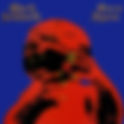
On August 7, 1983, "Black Sabbath" released its 11th studio album "Born Again". This album is probably the band's most underrated, and we think that's not quite fair. Apparently, the expectations from the meteoric collaboration between Ian Gillan from "Deep Purple" and the three members of Black Sabbath's original lineup were so high that they caused disappointment among the band's critics and fansת at the time of the album's release. So true, the production was too extreme and the sound was overly compressed. Ian Gillan's light and sarcastic lyrics did not fit with the doom outfit, the indifference, and the seriousness of Tony Iommi and Geezer Butler. But in our opinion, it is still a good album, even a very good one, which some of the negative reviews it received at the time were a bit exaggerated in relation to its content. The story of this album begins in 1982. While performing the mixes for Black Sabbath's live album "Live Evil", disagreements arose between the band members that led to the departure of Ronnie James Dio and drummer Vinny Appice. They both felt confident enough and turned to the formation of their new band "Dio". After the departure of Dio and Vinny Sabbath's future was in doubt. However, Iommi and Geezer agreed to try to find a singer so they can continue making music together, no matter what constellation and whether under Sabbath's name or not. Among the names that came up were Robert Plant, David Coverdale, and even Michael Bolton sent a tape and asked to be auditioned. In the end, Don Arden (Sharon Osbourne's father) who just got the role of band manager, suggested Ian Gillan's name for the singer position and Iommi remembers that it was the most appropriate name that was raised and considered. They approached Gillan but at first, he was not enthusiastic about the idea. In the end, Ian Gillan's manager persuaded him to at least meet with Tony Iommi and Geezer Butler, before giving a definitive answer. They met at a pub in Oxford and so, after a long night of drunkenness, between beer and whiskey, Gillan relented and committed to the project, it was in February 1983. Initially, the project was planned to be a sort of supergroup of Iommi, Butler, and Gilan. Geezer said that only after they finished the recordings and transferred them to the record company, Don Arden and the record company insisted that the album be released under the name of "Black Sabbath". (Photo: thehighwaystar.com) Recordings began in May 1983 at The "Manor Studio" outside Oxford. The producer of the album was Robin Black, who worked with the band as a sound engineer on the album "Sabotage". Drummer Bill Ward, who left the band in 1980 due to drinking problems, returned to the band after a rehab process and filled the void left by Vinny Appice. In terms of lyrics, Iommi recalls that the material that Gillan brought with him to the sessions was completely different from what the band was used to with Geezer and Dio. Gillan focused more on personal stories from everyday life, women, sex, cars, etc., topics that "Sabbath" has less dealt with on their previous albums. On the other hand, there was not much change in the musical aspect. The album continued the band's dark and heavy line and even strengthened it a bit. Listening to the album immediately reveals that it is one of the band's heaviest albums in terms of production. The bass roles have been brought forward in the mix and they sound really bold and dominant, even a little too much. Rumor has it that one of the band members performed, secretly and without the knowledge of the rest of the band members, a late mix of the album just before its release, which is the reason for the coarse, heavy and gloomy sound of the final mix. The band of course denied the rumor and all that was left was to wonder if the production had deliberately gone in a particularly dark direction in order to obscure Gillan's light lyrics. A look at the album cover will actually strengthen the version that the extreme production was intended, since here too it seems that an attempt was made to go far and shock the viewer. This is a cover that cannot be ignored. A monstrous red baby with pointed yellow nails against a deep blue background. It does not seem that anyone who visited the record stores in 1983 could have missed this picture, and this is probably exactly what the record company wanted to achieve. The album opens with power and force with "Trashed" and already here you can hear the emphasis that the final mix puts on the bass roles. The words written by Gillan tell of an accident he had during the recordings. One night a drunken Gillan returned from the pub next to the recording studio and decided to take Bill Ward's car for a ride on the karting track that was next to the studio. During one of the laps, Gillan collided with a pile of tires that was lying on the sides of the track, which caused them to disperse. In the next round, he got on one of the tires and overturned in the air. The vehicle crashed and caught fire, but Gillan managed to escape unscathed. The next day Gillan had already written the lyrics. Then comes the first instrumental track out of two on the album - "Stonehenge". These are effects-saturated passages designed to put the listener in a dark and mysterious atmosphere. By the way, "Stonehenge" will also be the set structure that the band will adopt during the tour that supported the album. This is a huge and formidable structure whose construction will burden this entire tour and which due to its size will not be able to fit a large part of the concert halls. This delusional story about the set of "Stonehenge" will inspire Rob Reiner a year later in the film "Spinal Tap". Immediately with the help of the atmospheric piece "Stonehenge", Original we are met with Gillan's chilling scream that pierces the silence and with his frightening and rolling laughter, which puts us in the song "Disturbing The Priest". The words were written by Gillan about the priests in the church next to the recording studio, who complained about the noise emanating from it. This song takes us on a journey of horror and fear in terms of music and this is perhaps a good example of the lack of chemistry between Gillan's lyrics and music brought by "Black Sabbath" members, a mismatch that probably also affected the end result. After the second instrumental track "The Dark" we come to one of the controversial songs on this album "Zero The Hero". Many claimed that the lyrics were hollow and the melody in the chorus was a bit childish, but we love it. The screaming-like eels guitars and the rolling and monotonous bass line do it for us. Gillan's special singing during the verses only adds to the heaviness and mystery of the song. The other side of the vinyl opens with Iommi's all-too-familiar riff and the song "Digital Bitch". This is another one of the strongest songs on the album and the basses during the chorus in this song, just tore our membranes in the speakers from the first listen (this is not just a statement, it really happened). The second song on the other side of the vinyl is the theme song "Born Again", which is probably the best song on the album. This is a bluesy ballad of the kind that was not exactly typical of "Black Sabbath". In contrast to the dissonance between Gillan and the rest of the friends in the previous songs, Gillan's bluesy and rough voice, this time fits like a glove to the melody and music, and maybe that's what makes this song so good. The combination of guitar and bass during the verses is perfect and the guitar solo is deep, heavy, and chilling. The last two songs "Hot Line" and "Keep It Warm" are the least good on the album. Gillan's singing during the verses in the song "Hot Line" just doesn't fit Iommi's dark and heavy riffs, his famous screams seem detached and unrelated. "Keep It Warm" works a little better than its predecessor but is still a relatively weak track to the rest of the album's songs. As noted the album received mixed reviews after its release, most of which were negative. Despite this the album was very successful in terms of sales and became the band's best-selling album since "Sabbath Bloody Sabbath", a surprising figure in itself, especially considering that the previous two albums from the Dio era were simply amazing. (Photo: Wordpress) After the release of the album, the band went on a particularly long tour. Bill Ward, who apparently feared the long stay away from home, was seized with anxiety and panic. He was ashamed to tell his friends about it, since they were so eager to go out on a tour and it made him shut down and deteriorate into drinking and alcohol. The one who replaced Ward on the tour was "ELO" drummer Bev Bevan. The song "Smoke on The Water" by "Deep Purple" was also performed during the tour. Gillan said this tour was very difficult for him. He did not connect to the atmosphere, the show opened with the crying voice of a baby and a devilish dwarf designed to resemble a baby from the album cover walked between the band members' legs. Gillan did not connect at all to Sabbath's classic lyrics and therefore had to read the lyrics from a page during the show. As already mentioned, the huge stage designed like "Stonehenge" was so large that it caused unnecessary delays and postponements. It was all a bit too much for everyone, Geezer said the tour was a crisis point for him and led him to leave the band. Gillan just did not connect to all the dark and heavy side of Sabbath and even to him, it was very clear that he was ending his contractual commitments and leaving. A year later he would join Deep Purple in their big reunion. Iommi was left alone to navigate "Black Sabbath's" rickety and tired ship out of the raging seawater that threatens to drown it. Thanks to him and only thanks to him, this band will be saved from doom and will continue in such and/or other lineups and continue the amazing tradition that began on Friday the 13th somewhere in 1970. For Listening: Spotify, Apple Music "Face/Off" - Israel's Rock Blog Follow us on Facebook / Instagram or Subscribe to our website
- Stars Festival 85
On August 6, 1985, an event was scheduled to take place at the Ramat Gan Stadium. It was supposed to be a defining moment in the history of Israeli music – “Stars Festival 85.” Two consecutive evenings, with huge names in the history of music from around the world, a huge stage, a grandiose production, and an audience of tens of thousands. The promise was unprecedented. The result – one of the most embarrassing moments in the history of Israeli culture. Behind the festival were Gabi Neubauer, owner of the Haifa record store "Gabi Records", and his partner Yaakov Salem, who specifically founded the "Gabi Corporation" company to produce the grandiose event, the first of its kind in Israel. On paper – everything looked shiny and promising. A "Live Aid"-style show held a few weeks earlier: Joe Cocker, "Marillion", Al Stewart, Joan Jett, "Sweet", Eric Burdon, Alvin Lee, David Knopfler, Billy Cobham, Peter Green, Sally Oldfield, Al DiMioula – all were announced as bands and artists who would participate in the first international festival of its kind in Israel. The festival was presented to the public as the largest musical event ever held in Israel. The production boasted insane figures for the time: 150 artists, 80 tons of equipment, 14 performances, a huge stage, 50,000 spectators a day – a vision of the US and Western Europe in the heart of the Middle East. The intentions were good, even the late Corinne Allal recorded "Song of Fun" to be used as the anthem for the celebrated festival... But what actually happened was far from the vision. The festival was planned to take place over two full days – August 6 and 7, 1985 – with 14 performances, which would accommodate an audience of 50,000 people per day. Ticket price: 15,000 old shekels. But plans are one thing, reality is another. The sale failed miserably – less than 12,000 tickets were sold. The public, for the most part, simply did not believe that the stars would actually come. And rightly so: Joe Cocker, Joan Jett, Al Stewart, Eric Burdon, "Sweet" – all canceled their arrival. Some at the last minute, some did not book flights at all. Cocker's cancellation announcement was published only in the newspaper "Al Hamishmar", and did not reach the attention of most of the angry ticket buyers. In the end, the "festival" was shortened to just one day – August 6 – and lasted from 5:00 PM to midnight, hosted by Shosh Atari, Dori Ben-Zeev, and Eli Israeli. The festival opened with a performance by Corinne Allal, who tried to warm up the evening, but left the stage after ten minutes in shock. The audience was frustrated, and there were reports of angry artists backstage. And yet, despite everything, this was the first time we saw sparks of foreign production in Israel. A group of foreign artists on one stage, in Israel. 2 huge stages side by side, with a performance being held on one, and the next performance already being organized on the second next to it. Several of the artists did take the stage and give it their all: Sally Oldfield opened the evening with folk-rock songs, in front of an indifferent and stunned audience. Billy Cobham, Peter Green, Al DiMiola, David Knopfler, Climax Blues Band and Alvin Lee (who closed the evening) rounded out the night with a variety of performances – some intimate, others more immersive. But above all – the performance by "Marillion" stood out, coming here at the height of its success and performing the entire first side of its album "Misplaced Childhood", alongside excerpts from "Fugazi" and "Script for a Jester's Tear". This was the band's first (and only) performance in Israel. Lead singer Fish was interviewed by "Ma'ariv" and declared: "We're done with the makeup – what's important is the music". Artistically – it was a strong, concentrated, meticulous performance. However, the few who were present – perhaps 10,000 people in a huge stadium – were unable to salvage the general feeling of embarrassment. And what happened next??? Gabi Neubauer fled the country with debts of half a million old shekels. Salem barricaded himself in the Carlton Hotel with bodyguards. A stay-at-home order was issued against him. Most of the artists did not receive their money, and left in a rage. Peter Jacobs, the British producer, summed it up coolly: "They are amateur producers from the Third World." Fish, years later, also wrote on his official website: "A ridiculous festival in Tel Aviv. There were more people behind the stage than in front of the stage. We spent four days with chronic diarrhea in the King David Hotel." "Star Festival 85" is remembered to this day as a colossal failure. A production that did not read the market, did not understand the audience, and did not know how to manage an event of such magnitude - a name synonymous with irresponsible pretension. The Ben-Shaul advertising agency sued for 200 million old shekels, a stay-at-home order was issued against Salem, and the ground burned beneath everyone's feet. But we will take one thing from this festival. That evening, under a steamy August sky, we were privileged to see "Marillion" take the stage and give it their all. A rare moment of true British rock – which sank and disappeared along with the remnants of the lighting, the equipment, and the dream. "Face/Off" - Israel's Rock Blog Follow us on Facebook / Instagram or Subscribe to our website