


Steve Miller

Today we explore the life and career of guitarist, singer, and songwriter Steve Miller.
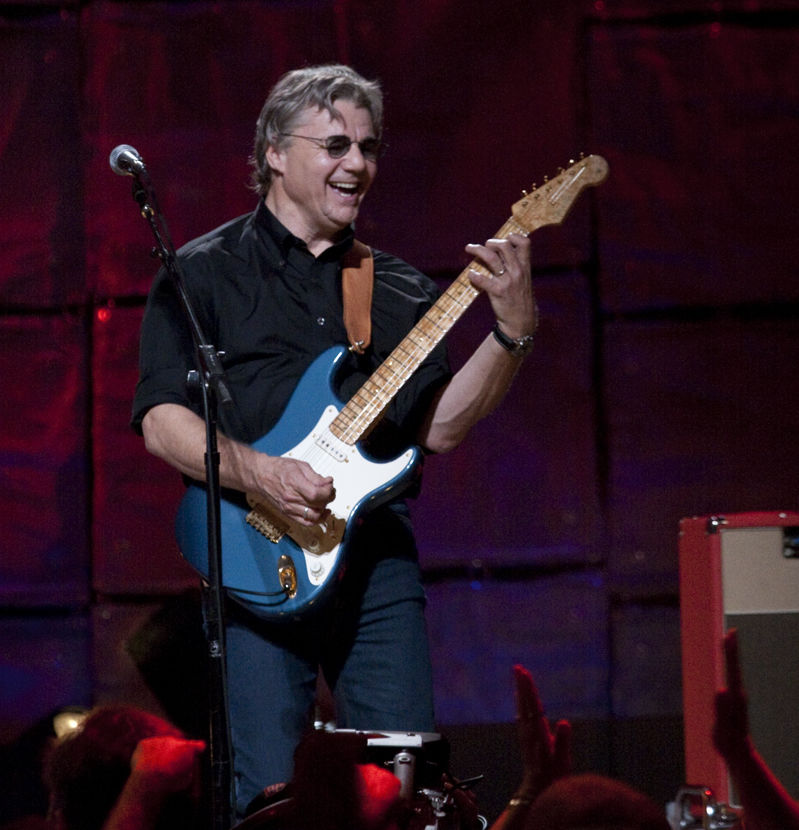
(Photo: Tim Brown / Space Cowboy Records) / Wikimedia Commons / CC BY-SA 4.0
From a childhood learning guitar from Les Paul, through Chicago's blues clubs and San Francisco's psychedelic scene, to hits that became staples of American rock. Here are 46 facts about Miller and his journey with his band.
1. He was born Steven Haworth Miller on October 5, 1943, in Milwaukee, Wisconsin.
2. His father, George "Sonny" Miller, was a pathologist and jazz enthusiast who also recorded musicians. His mother, Bertha Miller, was a talented singer, and Miller recalled singing harmonies with her and other relatives from an early age.
3. His first guitar was a small "Gibson" left to him by his uncle. Jazz and blues musicians regularly visited the family home, making music part of his everyday life long before it became his profession.
4. Les Paul and Mary Ford were close friends of his parents. Paul, who was also his godfather, taught him his first chords and introduced him to recording techniques, effects, and layered guitar and vocal parts.
5. As a child, his father recorded him singing and playing at home. When Miller was embarrassed to let Les Paul hear the recording, the guitarist paid him a quarter to listen to it together. Miller jokingly described this as his first paying music job.
6. In 1950, the family moved to Dallas. T-Bone Walker became a regular visitor and an important mentor, teaching Miller blues guitar, lead playing, and stage tricks such as playing behind his back.
7. In 1955, while attending "St. Mark's School", he formed his first band, "The Marksmen". He taught his older brother to play bass and showed his schoolmate Boz Scaggs some chords so he could join as a guitarist.
8. In 1961, he enrolled at the University of Wisconsin-Madison and formed "The Ardells". Scaggs later joined, as did keyboardist Ben Sidran. Playing student parties helped Miller develop his skills as both a musician and a bandleader.
9. During his studies, he also spent a semester at the University of Copenhagen. He left college shortly before completing his literature degree to pursue music. His mother encouraged him to follow his ambition of playing blues in Chicago, even though his father had reservations.
10. In 1964, he moved to Chicago and immersed himself in the local blues scene. He played with musicians including Muddy Waters, Howlin' Wolf, and Buddy Guy, and got to know harmonica player Paul Butterfield.
11. In 1965, he formed the "Goldberg-Miller Blues Band" with keyboardist Barry Goldberg. The group signed with "Epic" and released the single "The Mother Song", before Miller moved to the West Coast.
12. In 1966, he arrived in San Francisco and formed the "Steve Miller Blues Band", which evolved into the "Steve Miller Band". Early members included guitarist James "Curley" Cooke, bassist Lonnie Turner, and drummer Tim Davis.
13. In 1967, the band backed Chuck Berry at the "Fillmore". The recordings were released as the live album "Live at Fillmore Auditorium". Miller recalled agreeing to the shows on the condition that Berry rehearse with the band beforehand.
14. In June 1967, the "Steve Miller Band" performed at the "Monterey Pop Festival", with Scaggs in the lineup. Later that year, the band signed with "Capitol", setting the stage for its psychedelic blues albums.
15. In 1968, the band released its debut album, "Children of the Future", recorded in London with producer Glyn Johns. Combining blues, psychedelia, and interconnected passages, it reached No. 134 on the Billboard 200.
16. In October 1968, the second album, "Sailor", reached No. 24 in the United States. It included "Living in the U.S.A." and the band's version of "Gangster of Love". After the first two albums, Scaggs left to pursue his solo career.
17. In 1969, the third album, "Brave New World", reached No. 22 in the United States. Sidran resumed working with Miller, and the album included "Space Cowboy", which gave him one of his best-known nicknames.
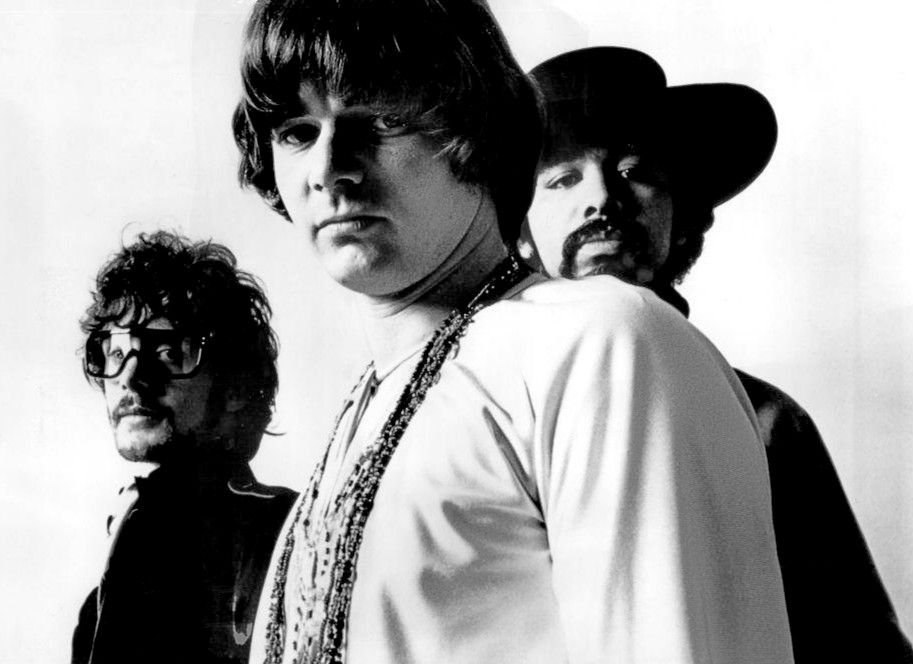
"Steve Miller Band", 1969 (Photo: Capitol Records) / Wikimedia Commons
18. Paul McCartney appeared on "My Dark Hour" from "Brave New World", credited as "Paul Ramon". McCartney played bass and drums and sang backing vocals. Miller later reused the track's guitar riff in "Fly Like an Eagle".
19. In November 1969, the fourth album, "Your Saving Grace", reached No. 38 in the United States. In 1970, the fifth album, "Number 5", reached No. 23, expanding the band's sound toward country and roots rock.
20. In 1971, "Rock Love", the sixth album in the band's catalog, combined studio and live recordings and reached No. 82 in the United States. The seventh album, "Recall the Beginning...A Journey from Eden", followed in 1972 and reached No. 109.
21. In October 1973, the eighth album, "The Joker", made Miller a mainstream star. The album reached No. 2 in the United States, while its title track topped the Billboard Hot 100 in January 1974.
22. Miller produced "The Joker", which was recorded, mixed, and mastered in just 17 days at "Capitol" studios in Los Angeles. He arrived after developing the songs through live performances and four-track recordings made in hotel rooms.
23. At the beginning of "The Joker", Miller revisited personas from his earlier work: "Space Cowboy", "Gangster of Love", and "Maurice". Alongside the chorus, the slide guitar and wolf whistle became defining features of the hit.
24. In 1976, the ninth album, "Fly Like an Eagle", reached No. 3 in the United States and earned quadruple platinum certification. Produced by Miller, it combined blues, funk, rock, and synthesizers.
25. Three major hits from "Fly Like an Eagle" were "Take the Money and Run", which reached No. 11 in the United States, "Rock'n Me", which reached No. 1, and the title track, which reached No. 2. Beneath the title track's spacey sound were lyrics about poverty and the need for social change.
26. In 1977, the tenth album, "Book of Dreams", reached No. 2 in the United States and earned triple platinum certification. Its basic tracks were recorded during the same sessions that produced "Fly Like an Eagle".
27. "Jet Airliner", from "Book of Dreams", was written by Paul Pena rather than Miller. The band's version reached No. 8 in the United States. The album also included "Jungle Love" and "Swingtown".
28. Harmonica player Norton Buffalo appeared on "Book of Dreams" and became Miller's regular musical partner for more than three decades. His harmonica added a blues dimension to the band's sound even when Miller was best known for his radio hits.
29. In 1978, the compilation "Greatest Hits 1974-78" collected the hits of that era. That year, the "Steve Miller Band" also embarked on a stadium tour with the "Eagles".
30. In 1981, the 11th album, "Circle of Love", reached No. 26 in the United States and earned gold certification. Alongside "Heart Like a Wheel", it featured "Macho City", an approximately 18-minute track that occupied almost an entire side of the record.
31. In 1982, the 12th album, "Abracadabra", reached No. 3 in the United States and earned platinum certification. Its title track topped the Billboard Hot 100, and its video became one of the band's most recognizable clips of the 1980s.
32. In 1984, the 13th album, "Italian X Rays", reached No. 106 in the United States. The 14th album, "Living in the 20th Century", followed in 1986, reaching No. 65 and combining original material with a return to blues songs.
33. In 1988, Miller released "Born 2 B Blue", his first solo album, under his own name rather than the band's. It focused mainly on jazz standards, with Sidran on keyboards and guests including Milt Jackson and Phil Woods, and reached No. 108 in the United States.
34. In 1990, "The Joker" returned to the top of the charts, this time in Britain, after being used in a "Levi's" commercial. More than 16 years after reaching No. 1 in the United States, it also topped the UK chart.
35. In 1993, the band's 15th studio album, "Wide River", reached No. 85 in the United States. Another 17 years passed before its next studio album, although the band continued performing.
36. In 2010, the band's 16th album, "Bingo!", reached No. 37 in the United States and topped the Blues Albums chart. Recorded at "Skywalker" studios and produced by Miller and Andy Johns, it was dedicated to Buffalo, who died in 2009.
37. During the 2010-2011 academic year, Miller served as an artist in residence at the "USC Thornton School of Music". He later expanded his work at "Jazz at Lincoln Center", performing and developing programs devoted to the history of blues and its relationship with jazz.
38. In 2011, the band's 17th album, "Let Your Hair Down", drew on the same sessions as "Bingo!". It also focused on blues and rhythm and blues covers. This numbering excludes the solo album "Born 2 B Blue" from the band's studio albums.
39. In 2016, Miller was inducted into the Rock and Roll Hall of Fame, with the "The Black Keys" presenting him at the ceremony. During the event, he criticized the Hall's management and the underrepresentation of women.
40. In 2019, he released the archival box set "Welcome to the Vault", featuring rare recordings and previously unreleased material. That year, five of his guitars were displayed in the "Play It Loud" exhibition at New York's Metropolitan Museum of Art.
41. In 2021, the live album "Breaking Ground Live! August 3, 1977" documented the band at the height of its commercial success. In 2022, Miller was also inducted into the Songwriters Hall of Fame.
42. In 2023, he celebrated the 50th anniversary of "The Joker" with the box set "J50: The Evolution of The Joker". It paired the album with 27 previously unreleased recordings, including demos, rehearsals, and live performances, as well as Miller's commentary on the creative process.
43. In 2024, Eminem used "Abracadabra" in "Houdini". That year, the "Steve Miller Band" also toured with "Journey" and "Def Leppard", bringing its songs to large stadium audiences.
44. In April 2025, "Fly Like an Eagle" was selected for preservation in the Library of Congress's National Recording Registry. That June, Miller received the "Les Paul Spirit Award", named after his mentor and godfather.
45. In July 2025, the band announced the cancellation of its remaining scheduled shows for the year. Its statement cited the risks posed by extreme heat, flooding, and other severe weather to fans, musicians, and crew.
46. In July 2026, the official website announced that "Greatest Hits 1974-78" had earned 16-times platinum certification in the United States. Nearly five decades after its release, the compilation remains one of the biggest commercial achievements of his career.

Comments