


The Cars - Heartbeat City

Written By: Moti Kupfer
Release date - 12.03.1984

Ric Ocasek often explained that his strength as a producer came from his own experience inside a band. Having spent years navigating personalities and creative tensions within "The Cars", he developed a unique ability to guide other musicians without disrupting their internal chemistry.
Rather than imposing himself on a project, he preferred to observe how a band functioned together, refine their sound, and help them bring out the best version of their collective identity.
By February 1988 it was already behind him. Ric Ocasek, the frontman of "The Cars", announced together with his bandmates that the group was disbanding. Ocasek did not waste time and soon began building what would become his second legacy, this time as a producer.
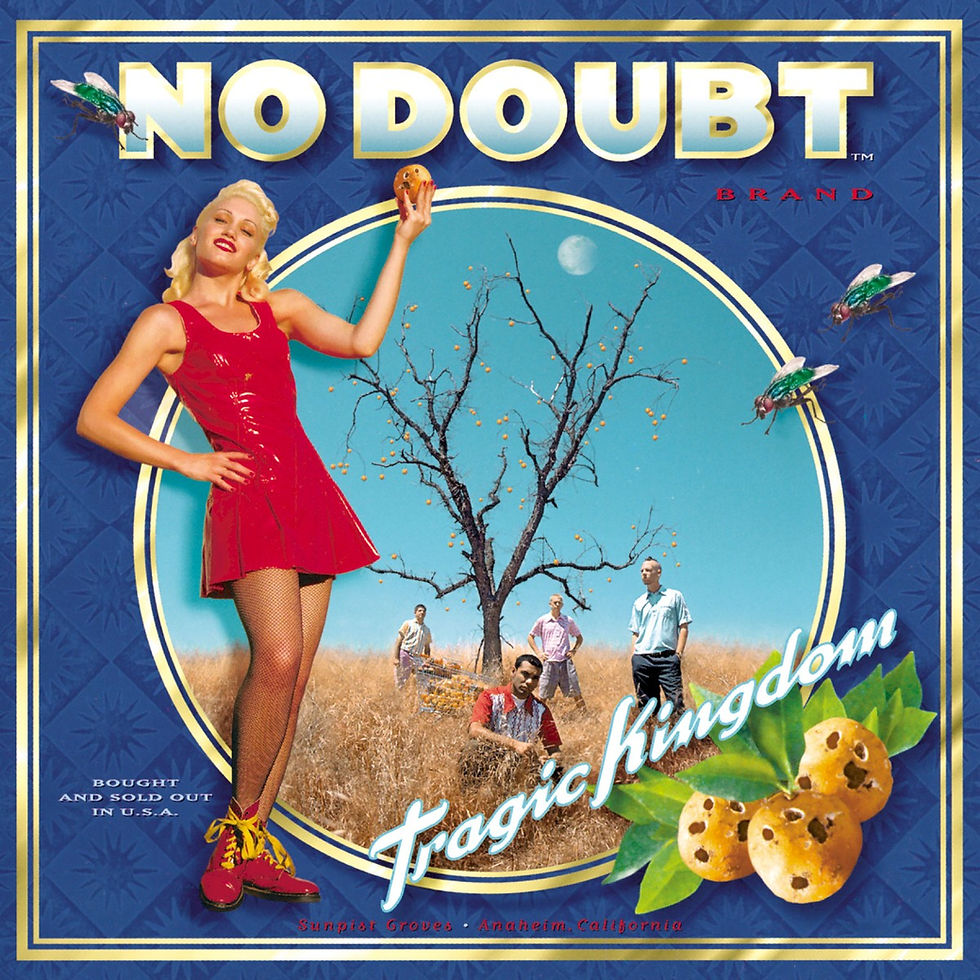
Ocasek gradually became something of a mentor to many of the bands he worked with. Among the artists he produced were "Weezer", "The Wannadies", "Bad Religion", "Bad Brains", "Suicide", "Nada Surf", and "No Doubt". Musicians who worked with him often described his presence in the studio as calming and reassuring. Members of "Weezer" later noted that his guidance had a profound impact on their early career and helped shape the sound that would define their breakthrough.
Greg Graffin from "Bad Religion" also recalled Ocasek as a supportive and encouraging producer who treated songwriting as a true artistic craft. Instead of focusing only on technical performance, Ocasek emphasized the creative foundations behind a song and encouraged artists to trust their instincts as writers.
At the same time, despite bringing so much joy to music fans, life itself had not always been kind to Ocasek. His early years included a difficult childhood, overshadowed by an alcoholic mother and a father who barely paid attention to him.
He was married three times. His third marriage was to Czech model Paulina Porizkova. Porizkova, who was only nineteen at the time, later described their meeting as love at first sight. Ocasek, then forty and a musician at the height of his fame, was captivated by the young model who appeared in the video for "Drive", perhaps the most memorable hit by "The Cars" from their fifth studio album "Heartbeat City", released on March 13, 1984.
The song captured Ocasek’s mindset remarkably well. Written from the perspective of a man observing a woman he apparently once had a relationship with, the narrator sees her during a difficult moment and urges her not to ignore the reality surrounding her, singing "You can't go on, thinking nothing's wrong". Later he asks the now famous question "Who's gonna drive you home tonight?", hinting that she may no longer have anyone by her side. Although Ric Ocasek wrote the lyrics, lead vocals on the track were performed by Benjamin Orr, whose emotional delivery helped turn "Drive" into one of the band’s most memorable songs.
Following the death of Princess Diana in 1997, British radio station XFM temporarily banned several songs that might upset listeners during the period of national mourning. Among the tracks placed on their restricted playlist was "Drive", whose melancholic tone and lyrical themes were considered potentially too sensitive for broadcast at the time.
With "Heartbeat City", "The Cars" effectively staged a comeback, releasing their first album in nearly two and a half years. The record also marked the first major change in the band’s production team, as Robert John "Mutt" Lange replaced Roy Thomas Baker, who had produced the group’s first four albums.
Lange, who was rapidly becoming one of the most sought after producers in rock after working with "AC/DC" and "Def Leppard", demanded extreme attention to detail from the band. The recording process stretched close to a full year and left Ocasek exhausted. He later admitted that the intense sessions had taken a toll on him, even sharing some of his frustrations with recording engineer Chris Shaw.
The album’s lead single "You Might Think" went on to win Video of the Year at the very first MTV Video Music Awards, beating strong competition including "Rockit" by Herbie Hancock and "Thriller" by Michael Jackson. The innovative video, filled with surreal visual effects, perfectly captured the playful spirit of the emerging MTV era and helped cement "Heartbeat City" as one of the defining pop rock albums of the mid 1980s.
In "Magic", released as the album’s second single, Ric Ocasek writes about a woman who completely captivates him, casting a spell every time they meet. The narrator becomes increasingly convinced that she is falling in love with him, even as the situation feels dreamlike and slightly surreal. The song’s playful tone is reflected in its memorable music video, directed by Tim Pope and filmed at the Hilton family mansion in Beverly Hills.
The fourth single "Hello Again" also featured a fascinating and memorable video, starring Andy Warhol in one of his final creative appearances. Warhol collaborated with Don Munroe on the clip, translating Ric Ocasek’s lyrics into a surreal visual experience. In the song, Ocasek sings about a man who seems destined never to find true happiness. Despite his constant attempts to escape and discover something better, he repeatedly finds himself returning to the very place he tried to leave behind.
The album cover features an image of a 1971 Plymouth Duster 340 alongside a classic pin up model originally painted by Peruvian American artist Alberto Vargas. The artwork itself is taken from a 1972 piece by British pop artist Peter Phillips titled "Art-O-Matic Loop di Loop", blending retro automotive imagery with pop art aesthetics that perfectly match the sleek, futuristic pop sound of "The Cars" during this era.
For Listening: Spotify, Apple Music
Comments