


Renaissance - Ashes Are Burning

On October 10, 1973, "Renaissance" released their fourth album, "Ashes Are Burning", in the UK.
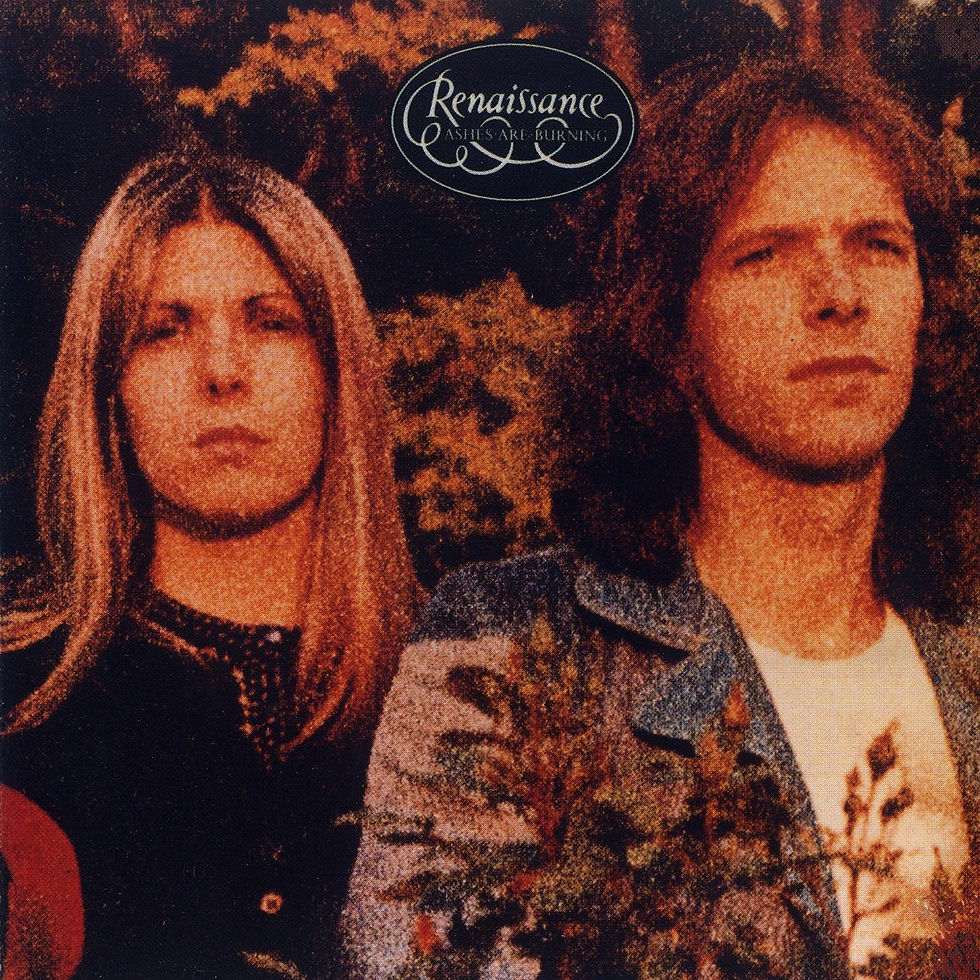
There is a wonderful moment toward the end of this album, around the 8:30 mark of the title track, when an electric guitar enters and feels like something we have been waiting for all along. For most of the journey, the piano, bass and divine voice of Annie Haslam provide all the drama we need. The solo starts small, then releases the tension that has been building throughout the record. That is part of the magic of "Ashes Are Burning", an album that knows how far melody can take us and exactly when to let it catch fire.
The road to this remarkable album ran through a band that had already undergone an almost complete change of personnel. Keith Relf and Jim McCarty, formerly of "The Yardbirds", founded "Renaissance" in 1969, but by the early seventies the original musicians had given way to a new lineup. The name remained, along with the ambition to bring rock and classical music together, but the voice that would define the band arrived with Annie Haslam. Their 1972 album, "Prologue", had already pointed toward this new direction. Here, it gained depth, confidence and, above all, a collection of songs strong enough to justify the ambition.
Alongside Haslam were keyboardist John Tout, bassist and singer Jon Camp, and drummer Terry Sullivan. Following guitarist Rob Hendry’s departure, Michael Dunford returned to play acoustic guitar on the sessions as a guest, before becoming an established member of the lineup again. Dunford was already the principal composer, working with lyricist Betty Thatcher. Their partnership gave the music a language in which landscapes, light, the sea and memories became part of an inner emotional world. Even when the words are abstract, Haslam makes them feel like thoughts taking shape as she sings.
The album was recorded at "De Lane Lea" studios in Wembley during 1973, with the band and Dick Plant sharing production duties. Richard Hewson added string arrangements to "Can You Understand?" and "Carpet of the Sun", broadening the band’s instrumental palette without overcrowding it. The sound leaves room for the acoustic strumming, the movement of the bass and the weight of every piano chord. The orchestra joins music that already knows how to stand on its own.
Camp deserves particular attention. His bass moves between the melodies, responds to the piano and pulls the music forward. He can support the vocals and then, almost imperceptibly, become another lead voice. Sullivan leaves room for that movement, with measured drumming that knows when to add emphasis and when to let a song breathe. Above them, Haslam sings with extraordinary clarity. Her power is audible even at her quietest, and that restraint allows her soaring passages to reach so deeply.
"Can You Understand?" opens with a brilliant instrumental journey lasting almost three minutes. Tout introduces a piano motif, Camp moves into it, and the band develops a momentum that carries everything forward. Then, after a brief a cappella passage, the vocals and acoustic guitar come in, and this expansive piece suddenly feels personal. The words invite us to look beyond fear and confusion, and the transition from the demanding opening to the vocal melody gives that invitation musical meaning. We are already inside the song’s world before Haslam tells us what to seek there.
The piece also incorporates a theme from Maurice Jarre’s score for "Doctor Zhivago". It fits naturally into the music’s folk colouring, but what holds the composition together is the way the band connects its parts. The piano returns, the bass insists on its own movement, and the strings widen the horizon. Nearly ten minutes pass with a clear sense of a journey, of departure, distance and return. This opening has enough ideas for an entire album, yet still leaves the listener with plenty to be curious about.
After that opening, "Let It Grow" brings the microphone closer to the heart. Piano and acoustic guitar accompany a melody that unfolds at its own unhurried pace, while Haslam sings about love and growth without turning them into an oversized declaration. There is something beautiful in the band’s confidence to move from such a grand opening to a relatively simple song. For us, that tenderness is essential to the album, revealing another side of the band and a slightly different shade of Haslam’s voice.
"On the Frontier", composed by McCarty to Thatcher’s words, preserves a thread connecting this lineup to the band’s earlier incarnation. Camp shares the vocals with Haslam, and the meeting of their voices lends warmth to the song’s hope for a better future. This is one of the album’s most distinctly folk-oriented moments. It does not offer the same sense of discovery as the two extended pieces, but it adds a welcome human colour between those towering compositions.
"Carpet of the Sun" is the album’s second high point, a small burst of light. In three and a half minutes, the acoustic strumming, strings and Haslam’s magnificent vocal performance come together with wonderful ease. The words turn our attention toward the world around us and the possibility of taking part in it, and the beautiful performance conveys that feeling effortlessly.
Next comes "At the Harbour", replacing the light with sorrowful waiting. Tout opens with a passage from Claude Debussy’s "La cathédrale engloutie", and the piano creates a still, sombre space before Haslam begins to sing. The harbour, the people waiting there and the danger at sea take on the weight of loss. Haslam’s voice remains clear, but that clarity only sharpens the pain. The transition from Debussy to the song itself can feel abrupt on a first listen. With time, though, those seemingly distant worlds begin to feel closer than ever.
Then comes the title piece, "Ashes Are Burning". Its images of ashes and fire invite us to read the lyrics as an encounter with a past that remains alive within us, with things that have ended but still shape how we see the future. The opening gives Haslam room to tell the story, and the music gradually expands. Tout’s organ and piano, Camp’s active bass and the increasingly adventurous vocals build a momentum that becomes difficult to contain. Every return of the melody carries more intensity than the one before it.
Andy Powell of "Wishbone Ash" joins the closing section with an electric guitar solo that gives the piece the release it has been waiting for. Tout had previously appeared on the band’s album "Argus", and another connection between their worlds was forged when Powell returned the favour to "Renaissance". He plays in short guitar phrases, with expressive bends and a bluesy feel that adds grit to the refined texture. His guitar cuts through the arrangement and expands it. As we reach the fade-out, the music seems to keep developing beyond what the recording allows us to hear.
This was the first "Renaissance" album to enter the American album chart, reaching No. 171. Modest numbers, perhaps, but a significant step for a band whose relationship with American audiences would continue to deepen. In concert, the title track became a space for development and improvisation.
For us, "Ashes Are Burning" remains one of the best ways into the world of "Renaissance". Its melodies stay with us from the first listen, while details in the playing reveal themselves much later. It can be grand and epic, then suddenly draw us into a small phrase in Haslam’s voice. And when the electric guitar amplifier finally comes alive at the end, we feel just how beautifully the band has prepared the ground for that explosive climax.
For Listening: Spotify, Apple Music


Comments