Search Results
Search this site
1789 results found with an empty search
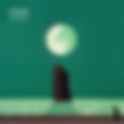
- Mike Oldfield - Crises
On May 27, 1983, Mike Oldfield released his eighth studio album "Crises". A decade removed from the seismic impact of "Tubular Bells", Mike Oldfield arrived at a crossroads. Progressive rock was no longer dominating the cultural conversation, synth pop was ascendant, and many of the genre’s old architects were struggling to adapt without sounding compromised. "Crises" is fascinating because it captures Oldfield refusing to fully surrender either side of his identity. The album is split between sprawling instrumental ambition and sharply focused pop songwriting, yet instead of feeling conflicted, it sounds strangely coherent. Produced by Mike Oldfield and Simon Phillips, the album embraces modern production without abandoning Oldfield’s instinct for long form composition. The title track "Crises" alone occupies over twenty minutes, functioning as both a continuation and deconstruction of the approach that made him famous. Its opening minutes are restless and fragmented, constantly mutating through rhythmic shifts, chiming guitar motifs, synthetic textures, and sudden bursts of aggression. Unlike the pastoral mysticism of "Ommadawn" or the hypnotic repetition of "Incantations", "Crises" feels tense and urban. There is motion everywhere. Even the quieter passages seem loaded with nervous energy. The real achievement of the suite is how naturally Oldfield integrates 1980s technology into his compositional language. Fairlight textures and sequenced electronics could have dated the record immediately, but here they become part of the architecture rather than cosmetic additions. Phillips’ drumming is equally crucial. His playing gives the entire piece muscular momentum, grounding Oldfield’s abstract instincts in something physical and immediate. Then the album pivots... "Moonlight Shadow" remains one of the defining singles of the decade, but its brilliance lies in how deceptive it is. On the surface, it is immaculate pop craftsmanship: bright acoustic guitars, crystalline production, and the unmistakable voice of Maggie Reilly. Underneath that elegance sits a melancholy core that gives the song unusual emotional weight. Oldfield’s lead guitar melodies practically sing alongside Reilly, weaving through the arrangement with remarkable restraint. Many progressive musicians spent the 1980s trying to write hit singles. Few managed one this timeless. "Foreign Affair" continues the sophisticated pop direction, though with a colder and more nocturnal atmosphere. Reilly’s vocal performance is understated and distant, perfectly matching the song’s sense of romantic detachment. Oldfield’s arrangement work here is extraordinary. Tiny guitar accents, drifting synthesizers, and carefully layered percussion create an atmosphere that feels cinematic without becoming overproduced. If the album has a genuine shock, it arrives with "Shadow on the Wall". Featuring the ferocious voice of Roger Chapman, the track abandons sophistication for brute force. The guitars are harder, the rhythm section hits with real weight, and Chapman sounds like he is tearing the song apart from the inside. It is one of the heaviest moments in Oldfield’s catalog and evidence that his melodic instincts could survive inside a far more aggressive framework. Even "In High Places", with vocals from Jon Anderson, avoids drifting into the weightless mysticism that often plagued progressive collaborations of the era. Anderson’s unmistakable voice adds spiritual elevation, but Oldfield surrounds him with enough tension and harmonic movement to keep the song grounded. What makes "Crises" endure is its refusal to behave like a compromise album. Many artists who transitioned from progressive rock into mainstream accessibility sounded diminished in the process. Oldfield sounds energized. The pop songs are too sophisticated to dismiss as commercial calculation, while the extended instrumental passages remain adventurous without disappearing into self indulgence. More importantly, "Crises" captures a musician understanding that evolution is not betrayal. Oldfield did not abandon his past here. He translated it into a different language. For Listening: Spotify, Apple Music "Face/Off" - Israel's Rock Blog Follow us on Facebook / Instagram or Subscribe to our website
- Europe - The Final Countdown
Editor's Choice... And this time ... a recommendation with a "sugar overdose" warning... You will not find here a story about a masterpiece album or a bunch of geniuses who wrote complex works, there will be no asymmetrical rhythms nor multi-instrumentalists that were touched by the hand of God and play with virtuosity reserved for virtuous individuals. Yes, yes, we know, it's as simple as a song in three chords, it's catchy as Abba's song, sometimes it's as shallow as the Dead Sea, sometimes as sticky as cotton candy, but we love it, and even enjoy it very much! Here, we said it. Now you are welcome to pull out the arrows or put us in front of a firing squad, you choose. So in case you did not understand, on May 26, 1986, Europe released their third album, "The Final Countdown", an album that we encourage you to listen to from beginning to end. This album is much more than the theme song, which is definitely not a representative sample of what this band is capable of. What's more, Europe is much more than the album "The Final Countdown", it is an excellent hard rock / heavy metal band that is active to this day with the same band that played on this album and continues to release great albums. So today we are here to recommend an album that may be familiar to many just because of the big hit and the theme song, but there is much more to it than that. This is an excellent album that maintains a uniform level almost throughout its length and from which no less than five singles were released that immediately became hits: "The Final Countdown", "Love Chaser", "Rock the Night", "Carrie" and "Cherokee". Judging only by the outtake "On Broken Wings" which was recorded in sessions for the album but did not enter the final version and was later released as a b-side, then this album is just perfect. The outtake is so beautiful, that it is not clear how it did not enter the album, and perhaps this is to teach about the excellent writing ability of the band at that time. The song that was first written for the album was the rhythmic and sweeping "Rock the Night", which Joey Tempest wrote during the tour that promoted the band's previous album - "Wings of Tomorrow" from 1984. The song describes the good feelings and upliftment during the band's tour. It is followed by "Ninja", a particularly catchy classic hard rock song that accurately reflects the synthesized hair metal style at the time. The famous synthesizer riff for the theme song "The Final Countdown" was written by singer Joey Tempest back in 1981 on the Korg Polysix synthesizer he borrowed from keyboardist Mic Michaeli. When bassist John Levén heard the riff in 1985 he urged Tempest to write a song based on the riff. Tempest was convinced and wrote the lyrics inspired by David Bowie's song "Space Oddity". Tempest intended to write the song so that it would serve as an opening piece in the band's performances and the original version was over 6 minutes long. And without detracting from the greatness of the catchy and all-time iconic keyboard riff, it's impossible not to mention the masterpiece guitar solo by John Norum.... The Power Ballad "Carrie" was performed by the band back in 1985. The earlier versions were only with keyboards. Joey Tempest admitted that there is no real Carrie and that the song is not based on anyone from his personal life. The song "Cherokee" was the last to be written for the album. The band was missing one more piece. Joey played his band an unfinished melody, the members got excited and the song was written in the studio. The lyrics are a kind of tribute to the Cherokee tribe in the United States. This album does not give adequate representation to the band's real sound, especially not as it has sounded in the last twenty years, but it's definitely a fun album full of 80s hair metal. It's just as fun now as it was in 1986. So if your mind craves some light music, catchy songs, and melodic solos, imagine that you are opening the sunroof, fantasizing that you have long, puffy hair and that it is entertaining in the pleasant spring breeze. And now just click on one of the links... Spotify, Apple Music "Face/Off" - Israel's Rock Blog Follow us on Facebook / Instagram or Subscribe to our website
- Sean Kinney
He is the quiet and introverted drummer of "Alice In Chains" but he also formed a supergroup and even recorded with "Metallica" !! (Photo: drummagazine.com) 1. His full name is Sean Howard Kinney and he was born in Washington, on May 27, 1966. 2. His father was a policeman and his mother was a municipal employee. 3. He became interested in and played music at an early age, his first drum set was at 5 years old. 4. Already at the age of 9 he was the drummer in his grandfather's band "The Cross Cats" and even went on tour with them in the northern United States. 5. In 1985 Sean met with Layne Staley during one of Lanye's band's shows "Sieze". Sean did not like Layne's band but was very enthusiastic about Layne himself. He wrote his girlfriend's phone number on a piece of paper (since there was no phone) and offered to jam together. 6. A year later Jerry Cantrell and Layne Staley met at a party in Seattle when Layne was the singer of Alice N 'Chains. Jerry received from Layne the phone of a girl named Melinda Starr, the same phone that Sean had given to Layne a year earlier. 7. Fate wanted the same Melinda was also Mike Starr's sister whom Jerry wanted as bassist for the band, she, of course, picked up the phone and Mike immediately showed up. 8. The three were looking for a singer and really wanted Layne in their band. Layne refused because he was interested in setting up his own band. So what did the three do? There initiated auditions for very, very bad singers with Layne's presence to make him accept the offer. The breaking point was when a stripper who wanted to be a singer came to the audition, Layne could not take it anymore and agreed to join the band. 9. After quite a few names like "Mothra", "Fuck", "Diamond Lie", and more the members decided on the name "Alice In Chains", based on Layne's former band name. (Photo: Annamaria Disanto) 10. The first demo of the band "The Treehouse Tapes" was completed in 1988. It found its way to Kelly Curtis and Susan Silver who managed the bands "Mother Love Bone" and "Soundgarden". The two transferred the demo to "Columbia Records" and they signed the band to a contract in September 1989. 11. The band's debut album "Facelift" was released in August 1990, Jerry dedicated the album to his mother Gloria, and fellow singer Andrew Wood from the band "Mother Love Bone". The singles that came out of the album are: "We Die Young", "Man in the Box", "Sea of Sorrow" and "Bleed the Freak". This is the first album from the grunge scene that was crowned gold and it was also nominated for a Grammy. 12. The album was almost released without Sean's participation !! He broke his arm shortly before rehearsals for the album and when the band came together to record he could not play. They enlisted drummer Greg Gilmore from the band "Mother Love Bone" and Sean guided him during rehearsals and recordings. Sean guides Greg but is deeply frustrated inside that he is not a partner in his new band's debut album. Here, too, fate intervened and fortunately for Sean, the band took a short break from the recordings, which gave him some time to recover. Upon returning to the recordings Sean decided that he can't take it anymore, he decided to cut and take off the cast and do all the recordings for the album with a broken arm as he occasionally puts his arm in an ice bucket next to his drum set. (Photo: amazon.com) 13. In February 1992 the band released their first EP "SAP" which consists entirely of acoustic songs. The idea for the album came from a vision Sean had one night, he dreamed that the band was recording an acoustic album called SAP and so it was. The album features Ann Wilson from the band "Heart" and another duo named "Alice Mudgarden". On this album, Sean plays keyboards and participates in background vocals. 14. In September 1992 Alice's second album "Dirt" was released. This is the band's most successful album that created insane hits like "Would?", "Rooster", "Them Bones" and more... and was also nominated for a Grammy Award. 15. The band's second EP, which is also entirely acoustic called "Jar OF Flies" was released in January 1994 and became the first EP in Alice's first history to go straight to number one on the Billboard charts. 16. In July 1994, the band temporarily disbanded for six months and returned in November 1995, when the third album "Alice In Chains" was released. The album went straight to number one on the charts and issued the singles: "Grind", "Heaven Beside You" and "Again". This album marked the beginning of the end when this time the band did not go on a tour to promote the album and did not hold shows for two and a half years until the encore performance... 17. Sean plays himself in the December 1995 mockumentary film "The Nona Tapes", which was released to promote the band's third album "Alice In Chains". 18. In April 1996, Alice made one of the biggest and most famous shows on the MTV Unplugged show. Jerry went up sick as a result of stomach poisoning and Layne looked completely wasted from drugs and alcohol. 19. That same year Sean joined Johnny Cash, Kim Thayil ("Soundgarden"), and Krist Novoselic ("Nirvana") for a cover recording of singer Willie Nelson's song "Time of the Preacher" for a tribute album called "Twisted Willie" 20. In the same year the band held its last four performances with Layne, who passed away six years later in April 2002. From that year the band had no activity and disbanded completely. 21. In 1998 Sean participated in Jerry's first solo album called “Boggy Depot”, he also went out with Jerry on a tour to promote the album. 22. In the same year he played the drums in Metallica's cover of the song "Tuesday's Gone" recorded for the album "Garage Inc.", Jerry also participates in the song. 23. In 1999, Sean, along with his friend Mike Inez, singer Vin Dombroski from "Sponge" and guitarist Chris DeGarmo from "Queensryche" formed the band "Spy4Darwin". They released one EP with six songs called "Microfish" 24. In February 2005 the three remaining Alice members returned to perform together for the first time in almost 10 years. It was at a fundraising event for tsunami victims. 25. The three went on tour with many varied guest singers to celebrate their love of music and remember the old days. In 2006 William Duvall officially joined the band and became the lead singer. It made them want to keep writing and recording new music. (Photo: EMI) 26. On September 25, 2009, the band released their fourth album "Black Gives Way to Blue", on this album Jerry took the lead in singing while William served as co-pilot. 27. The album's stunning cover is the fruit of the concept conceived by Sean. 28. On May 26, 2013, the band released their fifth album, "The Devil Put Dinosaurs Here", with Jerry continuing his role as the album's lead singer. This album was also nominated for a Grammy Award and included the singles: "Hollow", "Stone" and "Voices, 29. In 2015 Sean participated in the special and rare show "Mad Season / Seattle Symphony: Sonic Evolution / January 30, 2015 / Benaroya Hall" 30. In August 2018, the band released their sixth album "Rainier Fog" which they recorded in "Studio X", where the band's third album and the last with Layne was recorded. The album includes the singles: "The One You Know", "So Far Under", "Never Fade" and the album's theme song. "Face/Off" - Israel's Rock Blog Follow us on Facebook / Instagram or Subscribe to our website
- Mark Tremonti Sings Frank Sinatra
On May 27, 2022, "The Texas Chainsaw" (not really) Mark Tremonti released a cover album of Frank Sinatra songs. Yes, yes... the formidable, powerful roaring guitarist steps out of his comfort zone and lands with a suit and tie straight into the orchestra. We're sure you did not expect or believe that such a thing could happen but we always knew that Tremonti is a unique musician and in this album, he just proved how much. (Photo: Chuck Brueckmann) Tremonti is creating this exciting and unique project called "Take a Chance on Charity". He uses this album to raise funds for the National Down Syndrome Society. The main goal of the new initiative is to encourage other musicians, sports figures, and celebrities with a famous platform, to go beyond what they know how to do in their profession, in order to raise funds for a charity of their choice. Tremonti sets a personal example and begins his initiative with his album "Mark Tremonti Sings Frank Sinatra", which includes a selection of songs from the catalog of the legendary musician. He recorded the songs with Sinatra's surviving band members and Sinatra's musical director, Mike Smith. Proceeds from the sale will go to the National Down Syndrome Society, a charity close to his heart since Termonti's daughter, Stella, was born with Down Syndrome. The album includes 14 songs when the first single from it "I've Got You Under My Skin" was released on 21/3/2022. You will not believe how he sounds and look like !!!! Tremonti himself said: "I think it all really started around Christmas when I was singing along with Frank Sinatra songs. It just felt like home to me. His vocal range is my vocal range. I don't really have to push anything or get too low. His vocal range is very comfortable for me. And I always liked his vocal approach". I think this project started when I dived deeper into Frank Sinatra when I saw some early videos from his career. There's a video for "The Song Is You" he made in 1944 and you see the young Frank Sinatra, almost shy, get up there and talk, and then when he opens his mouth to sing, you understand why he was such a huge star. It just made me shiver. I was like, "I want to sing just like that, maybe not for my rock, but I just want for fun to dive deeper into what he does and try to do that thing." I just went deeper and deeper and deeper, and I was obsessed with it. I read every book I could, watched every movie he was in, bought the book he wrote about poetry". "I think the best thing was to just listen to it, analyze it, listen to where he breathes, listen to the singing, the approach, and listen to how he presents and plays with the timing. I just memorized it and was obsessed with it until I got it". For Listening: Spotify Album Track List: 1. I’ve Got You Under My Skin 2. I’ve Got the World on a String 3. I Fall In Love Too Easily 4. Wave 5. Fly Me to the Moon 6. Nancy (With the Laughing Face) 7. My Way 8. You Make Me Feel So Young 9. Luck Be a Lady 10. That’s Life 11. Come Fly With Me 12. In the Wee Small Hours of the Morning 13. The Song Is You 14. All or Nothing at All "Face/Off" - Israel's Rock Blog Follow us on Facebook / Instagram or Subscribe to our website
- Lenny Kravitz
Lenny Kravitz is celebrating his birthday today, let's tell you some interesting facts about him: (Photo: Rich Fury) 1. Lenny Kravitz was born on May 26, 1964, in New York City, New York, United States. 2. His full name is Leonard Albert Kravitz. 3. He is of mixed heritage, with a Russian-Jewish father and an African American mother. 4. Kravitz's mother, Roxie Roker, was an actress known for her role in "The Jeffersons". 5. As a child, he was inspired to pursue music after seeing the Jackson 5 in concert. 6. Kravitz attended Beverly Hills High School, where he was classmates with Nicolas Cage, and Slash. 7. Kravitz is a multi-instrumentalist, proficient in playing the guitar, bass guitar, drums, piano, and various other instruments. He is also a classically trained pianist. 8. Lenny Kravitz's breakthrough came in 1989 with the release of his debut album, "Let Love Rule". An album with a combination of rock and funk with a 1960s vibe. 9. In 1990, Kravitz produced the song "Justify My Love" for Madonna, which he co-wrote with Ingrid Chavez. 10. In 1991 he released his second album "Mama Said", which drew influence from artists like Jimi Hendrix, Prince, "The Beatles", and "Led Zeppelin" on the one hand, and Curtis Mayfield and "Sly Stone" on the other. 11. That same year he produced the self-titled album, Vanessa Paradis. He played most of the instruments and co-wrote most of the songs. 12. In 1993, Kravitz wrote "Line Up" for "Aerosmith", and appeared on Mick Jagger's solo album, Wandering Spirit. 13. That same year he also played guitar on the title track of David Bowie's "The Buddha of Suburbia" album. 14. Kravitz's hit song "Are You Gonna Go My Way" from his third album of the same name released in 1993, further solidified his musical success. Kravitz earned a BRIT Award for best international male artist in 1994. 15. In 1994, Kravitz recorded "Main Squeeze" with Teena Marie from her "Passion Play" album. 16. That same year Kravitz recorded a funk-rock version of the song "Deuce" for the KISS cover album "Kiss My Ass: Classic Kiss Regrooved". The track featured Stevie Wonder on harmonica and background vocals. 17. In 1995, Kravitz released the album "Circus", containing hit singles: "Rock and Roll Is Dead" and "Can't Get You Off My Mind". 18. In 1998 Kravitz released "5", where he used digital technology and samplers for the first time. 19. In 1999, Kravitz won his first Grammy Award for "Best Male Rock Vocal" Performance for the song "Fly Away". 20. He has won four consecutive Grammy Awards in the same category from 1999 to 2002. 21. In 2000, he won the VH1 "Rock Honors" award. 22. In 2001 he co-wrote the song "God Gave Me Everything" with Mick Jagger taken from Jagger's solo album "Goddess in the Doorway". 23. That same year he released his sixth album "Lenny" containing the song "Bank Robber Man" written after the Miami Police Department detained and cuffed him while walking to the gym with his trainer because they stated that he matched the description of a bank robber. 24. In 2004 Kravitz's released his seventh album "Baptism" containing singles such as "Where Are We Runnin'?", "California", "Storm", featuring Jay-Z, and more. 25. Up until 2024 Kravitz released 12 albums selling over 40 million albums worldwide. 26. Kravitz was made an Officer of the Ordre des Arts et des Lettres in 2011. 27. In 2017 Kravitz was ranked at No. 93 on VH1's "100 Greatest Artists of Hard Rock". 28. Kravitz is also a movie actor. He appeared in films such as "Precious", "The Butler", "The Hunger Games: Catching Fire", "Zoolander" and more. 29. His daughter, Zoë Kravitz, is an actress, with her mother being Lisa Bonet. 30. Kravitz has a passion for interior design and started his own design company, "Kravitz Design". "Face/Off" - Israel's Rock Blog Follow us on Facebook / Instagram or Subscribe to our website
- The Beatles - Sgt. Pepper's Lonely Hearts Club Band
On May 26, 1967, one of the most amazing things happened in the world of music, the album "Sgt. Pepper's Lonely Hearts Club Band", which is considered by many to be the best rock album of all time, was released. This is the Beatles' eighth album, which for years was ranked first on "Rolling Stone" magazine's 500 greatest albums of all time. The album is a milestone in the music world and has had a huge impact on many bands and artists. After "the Beatles'" members decided in 1966 to completely stop performing live, they were able to spend more time in the studio, studying, researching, and experimenting, with diverse musical instruments, different music styles, special sound edits, and state-of-the-art recording techniques. The goal was to create an album that is a complete and comprehensive work of art, as opposed to a collection of individual songs. It is important to emphasize that this is not yet a pure concept album in the full sense of the word, except for the theme song that returns at the end of the album (in the penultimate song) and a small hint in the song "With a Little Help From My Friends", there is no real connection between the songs on the album. Here are some interesting facts about the album: 1. The initial idea came from Paul McCartney, after writing the theme song that opens the album. The song portrays the Beatles as another "imaginary" band called Sergeant Pepper's Lonely Hearts Club. 2. The name of the album came from small packets of salt and pepper that were handed out to the band members during the meal, with the caption 'S' and 'P' on them. McCartney was asked by the band's executive director what it meant and replied: "salt and pepper" and then "Sergeant Pepper". 3. Paul McCartney noted that the album was influenced by The Beach Boys' Pet Sounds album. He also made a comparison to the album "Freak Out!" by Frank Zappa. 4. The recording of the album took 5 months and required about 700 studio hours. Just to clear the ear, the Beatles' first album was recorded in less than 10 hours. 5. The songs "A Day In The Life", "With a Little Help from My Friends" and "Lucy in the Sky with Diamonds" were not included in the album version released in South Asia, Malaysia, and Hong Kong, due to concerns that these songs addressed and encouraged drug use. 6. The end of the song "A Day In The Life" includes a sound that only dogs can hear. 7. In the song "A Day In The Life" Lennon and McCartney took two songs and merged them together using the symphonic section recorded by 41 musicians. The connection point, after the words "I'd Love To Turn You On," is deliberately meant to sound like an orgasm. Due to that, the song was boycotted on BBC. 8. The first part of the song was influenced by two newspaper headlines that John Lennon read, one in the Daily Mail and it is the story of the car accident of Guinness heiress Tara Browne who was a member of the band and who introduced McCartney to LSD. Second, a headline from the Daily Express about 4,000 holes counted on the Blackburn freeway. 9. The last chord E of the song was recorded by three pianos that the band members played simultaneously. It took 9 takes to get the desired result. 10. Although the album's official release date was June 1, 1967, it was released on May 26 in the UK and June 2 in the US. 11. The song "Good Morning Good Morning" was influenced by a Kellogg breakfast cereal commercial. At the end of the song, a recording of various animals is heard. At Lennon's request, the order of appearance of the animals is according to their size. 12. The song "When I'm Sixty-Four" was originally intended to be a B-side to the song "Strawberry Fields", but was replaced with "Penny Lane". 13. The songs “Strawberry Fields” and “Penny Lane” were the first recorded in sessions for the album. They were supposed to be part of the album, but eventually were cut out and released as singles. 14. This is the first album in the history of music in which the lyrics were printed on the back cover. 15. The audience cheers between the songs "Sgt Pepper's Lonely Hearts Club Band" and "With A Little Help From My Friends" were recorded by producer George Martin at one of the band's Hollywood Bowl performances. 16. McCartney's bass playing was recorded separately from the rest of the instruments throughout the album. This allowed him more room to improvise and find special melodies. 17. During the sessions, the song "Only a Northern Song" by George Harrison was also recorded, but it did not eventually enter the album. 18. The album cover was created by Peter Blake and Jann Haworth, for which they won the Grammy Award. 19. The album won 5 other Grammy Awards, including Album of the Year. 20. Lennon initially asked that both Jesus and Adolf Hitler appear on the cover, but this did not happen. For Listening: Spotify, Apple Music "Face/Off" - Israel's Rock Blog Follow us on Facebook / Instagram or Subscribe to our website
- Alan White
Today we will tell you about Alan White, the drummer of the band "Yes" for 50 years. (Photo: The Sun Magazine) Alan was born on June 14, 1949 in Durham County, England to a family of musicians, his father playing the piano and his grandfather playing the piano and drums. He is considered one of the greatest rock drummers of all time. In 1969 he joined the "Plastic Ono Band" of John Lennon and Yoko Ono, after that Lennon invited him to play at the "Toronto Rock and Roll Revival". He played drums on the single "Instant Karma!" And later also in eight tracks from John Lennon's masterful album "Imagine". In 1970 White also played with George Harrison on the album "All Things Must Pass". (Photo: Michael Putland) Before joining "Yes", White managed to play with "Ginger Baker's Air Force", Gary Wright, Billy Preston, Joe Cocker and "The Ventures" and more. He stepped into Bill Bruford's big shoes during the tour of the album "Close To The Edge" and has since accompanied the band for 50 years. In 2017 he entered the "Rock and Roll Hall of Fame" along with "Yes". In 2022 he was supposed to go on tour with the band to mark the 50th anniversary of the album "Close To The Edge", but this tour was dedicated to his memory. Alan passed away peacefully in his home, on May 26, 2022, after a short battle with a disease and is 72 years old at his death. "Face/Off" - Israel's Rock Blog Follow us on Facebook / Instagram or Subscribe to our website
- Mike Oldfield - Tubular Bells
Here are 50 facts about Mike Oldfield's groundbreaking album, "Tubular Bells". 1. "Tubular Bells" is the debut studio album by English musician Mike Oldfield. It was released on May 25, 1973, and marked Oldfield's breakthrough as a musician. 2. Mike Oldfield started composing "Tubular Bells" at the age of 17. He wrote much of the album on an old piano. 3. Mike recorded it when he was just 19 years old, showcasing his remarkable talent at a young age. 4. "Tubular Bells" is known for its unique blend of progressive rock, folk, and classical influences. The album remains one of the most iconic and influential albums in the history of progressive rock. 5. Oldfield played all instruments on the album including grand piano, glockenspiel, Farfisa organ, bass guitar, electric guitar, percussion, acoustic guitar, tubular bells, tympani, Hammond organ, Spanish guitar, vocals. 6. In fact the only instruments Oldfield didn't play were the flutes (done by Jon Field), The drums (Steve Broughton) and string bass (Lindsay Cooper). 7. Mike Oldfield's sister, Sally Oldfield, provided vocals on the album. 8. The album's title refers to the tubular bells, a set of tuned percussion instruments prominently featured in the music. 9. Oldfield's use of multitrack recording techniques allowed him to create a layered and intricate sound. There are more than 250 layers of sounds on the recordings. (Photo: Virgin Records) 10. "Tubular Bells" was initially rejected by several record labels, believing the piece was unmarketable without vocals. 11. In the end entrepreneur Richard Branson a record store owner liked the demos. 12. In 1972 Branson used money earned from his record store to launch the record label "Virgin Records". 13. Branson bought a country estate north of Oxford in which he installed a residential recording studio, The Manor Studio. He invited Oldfield to start recording the album in the studio. 14. "Tubular Bells" was the first release on "Virgin Records" and became the label's most successful album of all time. 15. The album was produced by Tom Newman and Mike Oldfield. 16. Richard Branson wanted to name the album "Breakfast In Bed", with a cover image of a boiled egg dripping blood. 17. "Tubular Bells" is best known for Part One, particularly the first three and a half minutes of music, which feature a repeated motif in the key of A minor with a 15/8 time signature. 18. The album's opening theme was famously used in the horror film "The Exorcist" in 1973, gaining it widespread recognition. 19. The opening theme of "Tubular Bells" has been sampled and referenced in various forms of media, including films, television shows, and commercials. 20. "Tubular Bells" reached number one on the UK Albums Chart and remained on the chart for over five years (spending 279 weeks). 21. It also became a commercial success internationally, reaching high chart positions in multiple countries. 22. The album has sold over 2.7 million copies in the United Kingdom alone and over 15 million worldwide. 23. It has been certified platinum in several countries, including the United States, Canada, and Australia. 24. Oldfield's success with "Tubular Bells" helped establish "Virgin Records" as a major record label. 25. The album's success allowed Oldfield to experiment with different musical styles and genres in his subsequent works. 26. It also allowed him to build his own recording studio, The Beacon, in the English countryside. 27. The original release of "Tubular Bells" included a fold-out poster featuring illustrations by artist Trevor Key. 28. The album was nominated for a Grammy Award for "Best Engineered Recording" in 1974 and won a Grammy Award for "Best Instrumental Composition". 29. The album's success led to a resurgence of interest in instrumental and progressive rock music during the 1970s. 30. The album was featured in the BBC documentary series "The Old Grey Whistle Test" in 1973. In this documentary Oldfield arranged a live performance of the whole album. 31. It took 21 musicians (including Pierre Moerlen, Mick Taylor, Kevin Ayers, Steve Hillage) and 12 singers among others his sister Sally Oldfield to perform all of Oldfield's roles and instruments on the original album. 32. The track "Tubular Bells Part One" features an iconic section known as the "Sailor's Hornpipe" section, which showcases Oldfield's guitar skills. 33. The track "Tubular Bells Part Two" was recorded over about 4 months. It features a section known as the "Caveman" section, which includes primal and tribal rhythms. 34. Vivian Stanshall of the Bonzo Dog Doo-Dah Band serves as the "master of ceremonies" on this track, appearing near the end of the song when he introduces various instruments that then each play the same melody: grand piano, reed and pipe organ, glockenspiel, bass guitar, double-speed guitar, two slightly distorted guitars, mandolin, Spanish guitar and introducing acoustic guitar, tubular bells. 35. The album's success helped popularize the use of the tubular bells instrument in popular music. 36. The actual tubular bell doesn't come in until 1:02. Its sound is distorted, which was Oldfield's doing. 37. "Tubular Bells" was re-recorded by Mike Oldfield in 2003 for the album's 30th anniversary. The 2003 version, titled "Tubular Bells 2003," features updated arrangements and additional instrumentation. 38. An orchestral version produced by David Bedford was released in 1975 as "The Orchestral Tubular Bells". 39. "Tubular Bells" was featured in the opening ceremony of the 2012 Summer Olympics in London. 40. Following the success of "Tubular Bells," Mike Oldfield released two sequels: "Tubular Bells II" in 1992 and "Tubular Bells III" in 1998. 41. "Tubular Bells II" was a deliberate homage to the original album, featuring new arrangements and variations on familiar themes. 42. The album was performed live at Edinburgh Castle in 1992, accompanied by the Edinburgh Symphony Orchestra and guest musicians. 43. "Tubular Bells III" further expanded on Oldfield's musical ideas, incorporating electronic elements and modern production techniques. 44. The track "The Source of Secrets" from "Tubular Bells III" features vocals by Amar, adding a new dimension to the music. 45. Mike Oldfield performed live versions of the "Tubular Bells" trilogy in a series of concerts, often accompanied by orchestras and guest musicians. 46. "Tubular Bells" received critical acclaim upon its release and has continued to be highly regarded by music critics. 47. The album's cover art, featuring a bent tubular bell, was designed by Trevor Key. 48. The album was inducted into the Grammy Hall of Fame in 2018. 49. It's included in Q magazine's 1998 list of "The 50 Best Albums of the '70s", Tubular Bells was placed at number six. 50. The album was also included in the book "1001 Albums You Must Hear Before You Die". "Face/Off" - Israel's Rock Blog Follow us on Facebook / Instagram or Subscribe to our website
- Slipknot - Vol. 3: (The Subliminal Verses)
Slipknot's third album titled "Vol. 3: (The Subliminal Verses)" was released on May 25, 2004. It came out three years after their breakout album "Iowa" but it was almost never born, it even almost caused the band to break up. When everyone is fed up with each other and everyone is busy with other projects "Slipknot" "tried" to get together to record its next album. "These are things we'd been wanting to do. Listen to that f --- ing record. It's spiritual. I love it." (Clown) From the first moment, the band members gathered at the "Mansion" in Los Angeles (some say Houdini lived there) the chaos, dysfunction, and mowing ruled all over the place. The bassist Paul Gray who passed away on May 23, 2018, and was a significant part of the creation of the album, was drugged from heroin to the point he barely managed to record the ideas he had for the album. Singer Corey Taylor said he simply drank from the moment he woke up (not necessarily in the morning) to the moment he lost consciousness. He could not record anything for weeks. When drummer Joey Jordison arrived and saw the condition of his band members he was furious and vented his anger with drugs, while also losing himself along with the rest of the band, who were dealing with different and weird emotional loads. The band members spent three months at the mansion while each was preoccupied with his own demons or pleasures, they avoided talking to each other or even looking each other in the eye, complete separation in an upscale mansion with insane costs. Paul was broken, disappointed, and depressed by his friends' lack of cooperation and total disintegration. He said he felt that everyone hated each other and did not tolerate each other, but he did not feel that way, he did not hate or be angry with anyone, he felt that his "family" was falling apart. There were those who also wanted to leave and spent their time on other projects like Joey's "Murderdolls", Shawn Crahan's "To My Surprise" and Corey's "Stone Sour". (Photo: Spotify) Just before it all fell apart, just before Corey bought a plane ticket back home and left everything behind, just before Jim Root threw everything away and did not look back, Sean took the initiative, and together with Paul and Joey they tried to connect all the band members together. They went through each one of them, and gradually, with a lot of friendly mental conversations, they tried to unite them into one team and make them feel part of a family that is going through a difficult crisis but can overcome it and reunite. The one who supported and helped with the unification process was producer Rick Rubin who was recruited to produce the album and owned the "Mansion". There are quite a few disagreements about that !! Some argue that Rick did not contribute at all to the album and was focused on other projects, Joey claimed it was a waste of time working with a great producer “who is full of himself” and did not care about the album or the band. Corey claimed that Rick was not present at all on any of the recordings for the album and did not contribute anything to the creation of the album. But on the other hand, there were those who claimed that not only did Rick contribute to the creation of the album but he also contributed to family reunification. Sean said that Rick was the one who managed to create the initial communication between the members who did not talk to each other, he was the one who reminded them why it is worth it for them to overcome the crisis. Jim said that although Rick was not present he did contribute and improved the band's work by giving a guiding hand and marking exactly where and how to improve. Sean summed up the process in the best way: “The best way to describe it is salvation and rejoicing in working again. It’s like being an alcoholic and saying, ‘I need to get help.’ We knew we were gonna rebuild and we did ” And once the bonding was made it just exploded, we think the best way to describe it is as a scene from the movie "Back to the Future" (and don't ask us which one), the scene where the crazy doctor holds in his hands the two huge cable parts that hang from the church clock and once the lightning strikes he manages to connect the cable and create the power that blows Delorian straight back into the future. The intensity of the lightning will hit you as soon as you click play on the link below, it may sound soft and pleasant at first but later you will get a deadly combination of Jim Root and Mick Thomson on guitars, with Trash Metal head, deadly and powerful drumming, dramatic transitions and screams of horror that will make you lose a heart beat from your soft and delicate heart. (Photo: George De Sota) Like the previous two and the next two albums, this album opens with a dramatic collection of sounds and symbols, but here the song "Prelude 3.0" immediately begins as a pleasant and caressing opening that slowly increases and even before you feel like landing on "The Blister Exists", a terrifying madness just stitched on a scene in "The Walking Dead" as the villain Nigan leads his army to crush the next target of passers-by, ruthless and exemplary cruel. We think it's one of the songs on the album that unequivocally proves that such music can not be faked or invented just to create something as a saxophone, this song proves that Slipknot creates from the gut, from the nerves in the brain, from the soul. Pump up everything they have in the body, everything it contains physically and mentally in each of them, and just put it out on the microphone, the drums, the bass, and the guitars. The third song "Three Nil" continues its predecessor but it's hard not to think of the sentence that Corey shouts several times and is deeply etched in our minds before the countdown and Joey's insane drumming: "Oh, I did not need to leave to stay right here" The next section does not need to be presented, even if you are not a fan of the band for sure you have heard this anthem somewhere or came across it unintentionally, "Dualty" is a pure nerve anthem and it works, feel free to try at home in a safe environment. Corey said the song talks about his duality when he was trying to deal with the difficulties at the time when his wife left him. The next song "Opium of the People" is completely avant-garde and gives a glimpse into other districts to which the band reaches as it tries to stretch the boundaries a bit and create new spaces. The song "Circle" is the first song that Slipknot records for the album and consists of strings and acoustic instruments, it is also very special because it was generally written and recorded during the tour of the previous album. Corey said the song is inspired by the encounter he had with his father for the first time at the age of 30. Let us now jump two songs forward, not that we have anything against "Welcome" or "Vermilion", just the first is a good song but we have nothing to say about it, and the second will appear later in a much more exciting performance, so if you can jump on it and come back, why? Because now we come to the anthem of the album, in our opinion, the main song, the hydrogen bomb, the song that should have given the album its name "Pulse of the Maggots". What an opening !! A cosmic combination of drums, guitars, symbols, and one voice, clearly insane !! The song was initially called "Triggers Yearn" and Corey wrote it from a completely different direction but then Joey brought the name of the song without words and since "Maggots" is the (positive) nickname for the band's fans, Corey decided to write them a song of appreciation and appreciation. Wait, wait, wait, do not move before we forget that "Before I Forget" comes after it is a hit in itself that even gave the band the Grammy Award for Best Metal Performance, This song, as they perform the song and the masks hang beside them next to them. The following song is one of the most emotional songs of Slipknot in their entire career (perhaps after Snuff), intentionally we refer specifically to the acoustic version "Vermilion, Pt. 2". This is not just an acoustic version but a version that is a continuation of the previous part. We do not know precisely what Corey meant by a song written by Paul and Joey but feel the struggle, and the difficulty, a song that talks about love, passion, everything mixes and creates a strong emotional storm in us. This is one of the songs that every listener can interpret and feel differently Otherwise when he listens to him. One of the genius songs on this album, "The Nameless" is a sophisticated combination of changing and unexpected dynamics, breaking parts, ups and downs, and melodic crashes that leave you speechless. Proper reception is the moment you dive underwater and when you are no longer able to breathe you rise back above the water and take a deep breath with your mouth open. The penultimate song on the album tells the story of a male character who is obsessed with a woman, who follows her and eventually kills her out of obsession. Corey said he really likes to write from the perspective of a "voyeur," someone who stands aside and watches the things happening in front of him. The song that closes the album "Danger - Keep Away" is a kind of slow ballad that tells the story of the whole album. Tells what the band went through during the creation of the album, the difficulties, the struggles, the hatred, and then the union and the masterpiece. "Where have I been all this time? Lost enslaved fatal decline I've been waiting for this to unfold The pieces are only as good as the whole Severed myself from my old life Cut off the only bright thing What If I never saw you again? I'd die right next to you in the end " Please enter a safe environment before you click play on Spotify, Apple Music "Face/Off" - Israel's Rock Blog Follow us on Facebook / Instagram or Subscribe to our website
- פורטיס סחרוף - 1900?
The album "1900?" by Rami Fortis and Berry Sakharof was released on May 25, 1990. This is, for sure, one of the iconic and influential albums in Israeli rock, but it doesn't stop there. In a way, this album opened the floodgates for dozens of masterpiece albums in Israeli alternative rock during the 1990s. This is the first album in which Berry Sakharof steps into the spotlight and stands shoulder to shoulder with Rami Fortis as an equal partner. While in the previous album "Stories from the Box" Sakharof participated in the writing and produced the album for his friend Fortis, here he receives full credit as a co-writer, co-creator, and lead vocalist on several tracks, a move that led to the creation of the "Fortisakharof" brand. Just two years after the breakup of "Minimal Compact" and the release of "Stories from the Box", and only a year after their joint project "Foreign Affair", Fortis and Sakharof began shedding their European façade, their new wave influences, and their dark '80s aesthetic. It’s as if they walked into the Ministry of Interior next to DB Studios and applied for an "Israeli Rocker" ID card. And like any “new immigrant” still struggling with the accent and trying to adjust to local habits, it took Fortisakharof a bit of time to fully let go of their European mannerisms, still present here and there on the album in tracks like the title song "1900?", "The Day of the Mouse", "Candy", and others. But despite the occasional echoes of '80s production and sound, Fortisakharofmanage to craft in this album a homegrown Israeli alternative rock style, a style that would further crystallize with their live album "When the Guitar Saws Through the Night", released a year later, which would serve as a beacon for the alternative Israeli Rock that would take over the local music scene in the 1990s. This album produced timeless Israeli rock anthems that are forever etched into the legacy of local rock... "America" is about the land of opportunity, where on one hand, "they don’t throw stones," yet on the other, a sense of spiritual emptiness reigns, and "even the moon is for sale." "Nitzotzot" (Sparks), with lyrics written by Fortis, explores the internal other and the struggle within. It’s astonishing to think that Sakharof, who composed the song together with Fortis, initially didn’t want this heart-melting track on the album. Sakharof’s broken chords, Smetana’s pulsing bass like a pacemaker, and the simple yet genius drumming of the late legendary Jean-Jacques Goldberg—together they create pure magic. The vocal harmonies between Fortis and Sakharof (aided by “Mikiyagi” and Micha Sheetrit, who provides backing vocals on this album) have perhaps never sounded better than they do on this haunting and goosebump-inducing song. "Agam Anakit" ("A Giant Lake") was written during Minimal Compact’s tour in Europe, after the band’s manager, who didn’t speak Hebrew very well, pointed to the scenery and said in broken Hebrew, "What a giant lake," using incorrect grammar that ended up inspiring the song’s title. "Chalom Kachol" ("Blue Dream") also received an upbeat radio version that was released on the compilation album "Nana Collection No. 1". And of course, there’s "Ein Ketz LaYaldut" ("No End to Childhood"), whose live version on the album "When the Guitar Saws Through the Night" completely deconstructs the original's small and modest studio version, rebuilding it into a ferocious volcanic eruption of sawing guitars, a transformation that directly connects to the iconic line from the song "Leipzig Barcelona", which gave that live album its name. The album also features the song "Naalayim" ("Shoes"), an improvised piece that Fortis used to perform live. It became a cult favorite and finally received a recorded and fully produced version here. The song even inspired the name of the rock band "Naalayim", whose lead singer, Eyal Even-Tzur, later collaborated with Fortis on the album "Chetsi Otomati" ("Semi-Automatic"). Over 30 years later, it’s safe to say that "1900?" has lost none of the greatness that surrounded it in the 1990s, on the contrary. It deserves its place among the greatest rock albums ever released in Israel and is without a doubt considered a classic of Israeli rock. Listen to the album on: Spotify, Apple Music "Face/Off" - Israel's Rock Blog Follow us on Facebook / Instagram or Subscribe to our website
- Dio - Holy Diver
On May 25, 1983 "Dio" released their debut album "Holy Diver", one of the most influential albums in Heavy Metal. A perfect, flawless album, in which every song is an anthem, with no bad tracks or fillers. Do not bother to look in the dictionary for a definition of "masterpiece", it is here in front of you and it's called "Holy Diver". So how this perfection was created? Immediately after "Black Sabbath" released the album "Mob Rules" in 1981, friction began between the band members, mainly because Ronnie James Dio received an offer from "Warner" Records to release a solo album. These frictions will intensify during mixes for the live album "Live Evil", leading Dio and drummer Vinny Appice to leave the band. They both felt confident enough to set up a new band. Dio turned to an old friend, bassist Jimmy Bain who he met in "Rainbow", and invited him to join the emerging band. To complete the new band's lineup, Dio applied the successful model of colleague Ozzy Osbourne and added a guitarist who was then young and unfamiliar, but with a lot of hunger in his eyes and fire between his fingers - the Irish Vivian Campbell who emerged straight from the band "Sweet Savage" and was only 20 years old. Until the addition of Vivian, Dio, Bain, and Appice managed to write most of the material for the album and the band immediately began recording. Dio described the recording process as very exciting. There was a good vibe in the air and a feeling that they were creating something good. There is no doubt that this feeling seeped well into the songs as well. The album opens up in full force with a protest song "Stand Up and Shout", which includes all the basic elements that will shape the metal of the '80s and beyond, fast riffs sobbing guitars by Vivian Campbell, powerful and fluent vocals by Ronnie James Dio and thunderous and aggressive drumming by Vinny Appice. Immediately after comes the theme song "Holy Diver" with an instrumental opening designed to put the listener in the mood, when after a little more than a minute, one of the great and timeless riffs in metal emerges, and when Dio's voice enters it is already an eternal anthem. Dio explained that the song tells of a figure who is in a parallel world and sacrifices herself to save its believers, like Jesus. The song, which also includes references to the book of "Revelation" - in the New Testament, is an expression of a revolt against the Catholic education that Ronnie James Dio received as a child. The album cover corresponds with the story of the theme song and shows a figure of a priest bound in chains between the stormy waves of the sea, with the figure of Murray proudly towering above him. Some of you may raise an eyebrow at who Murray is. So similar to Iron Maiden's Eddie, Murray will appear on all four of Dio's first album covers. It is a kind of beast with horns and bright and slanted eyes with fingers claw-shaped animals that mark the famous Metal Horns of Dio. By the way, for those of you who are really interested, you can find Murray's full story on Dio's home page here: Here: This is truly an album in which all the songs are flawless and in which there is not a single unnecessary note. The bluesy "Gypsy" with Dio's shaky scream after the intro that makes us shiver all over. "Caught in the Middle" with a riff borrowed from Vivian Campbell's previous band "Sweet Savage" and with the melodic vocals on the verge of pop. The immortal "Don't Talk to Strangers" with the melodramatic opening that soothes and caresses, only to lead you "down", with Dio's huge roar at 1:06. "Straight Through the Heart" pierces your heart with the sudden stops, Vinny's dribbles, and the melodic and so beautiful bridge part, a track whose name was borrowed from a song by Vivian Campbell's previous lineup. "Invisible" which opens quietly, melodic and small with arpeggio chords wrapped in a flanger effect and later explodes heavily and includes one of Campbell's interesting solos on the album. "Rainbow in the Dark" is wrapped in keyboards, and was released as the second single from the album and whose lyrics were influenced by the experience of Dio and Vinny Appice who felt isolated and imprisoned in "Black Sabbath", just like "Rainbow in the Dark". And of course the dark and heavy song "Shame on the Night" which opens with the howl of the jackal borrowed from "Deep Purple's" "Hush" and closes the album perfectly. Before heavy metal inflated its hair, before hard rock disguised itself as glam and in almost perfect sync with the rise of thrash, this album remained one of the standout classics of pure and rooted heavy metal, featuring a perfect sequence of songs engraved forever in the history of metal. In 2005, Ronnie James Dio gave an unforgettable show in Israel, in which he performed the album in its entirety, as well as the best songs of "Rainbow" and "Black Sabbath". We are sure that whoever was there will testify that this was one of the greatest performances of his life. So when a masterpiece album like "Holly Diver" has a birthday, will you not take some time to listen to it? Spotify, Apple Music "Face/Off" - Israel's Rock Blog Follow us on Facebook / Instagram or Subscribe to our website
- Klaus Meine
Singer Klaus Meine is celebrating his birthday today and we want to tell you some facts about him. He was born on May 25, 1948 in Hanover, Germany. He joined the Scorpions in 1969 and since then he has served as the lead singer and one of the band's lead songwriters. Among other, Meine participated in writing some of the band's well-known songs, such as "Rock You Like a Hurricane", and wrote solely songs such as "Wind of Change". Meine has appeared on all of the band's albums from their debut album "Lonesome Crow" from 1972 to the present. He is also responsible together with Rudolf Schenker for the musical direction of the band, as was done, among other, on the album "Lovedrive". Meine's tenor voice is one of the most prominent and beautiful in hard rock and metal. In 1981 during the recordings of the album "Blackout", Maine lost his voice. His doctors advised him to choose a different profession, but Meine underwent two surgeries and a healing process that allowed him to sing again. In 1990 Meine took part in Roger Waters' grandiose show "The Wall" which was performed on the Berlin Wall. Maine arrived in Israel with his band in July 2005 to perform at Bloomfield Stadium in Tel Aviv. During the performance, the Israeli singer Liel Kolet took the stage with him to perform the song "Send Me An Angel" and other songs. Kolet collaborated with Meine on other recordings, including a version of "Jerusalem of Gold". Since then, Meine has visited Israel with the Scorpions 4 more times... To date, Meine and his band have released 19 studio albums. Meine is ranked by "Hit Parader" magazine as the 22nd out of 100 metal singers of all time. "Face/Off" - Israel's Rock Blog Follow us on Facebook / Instagram or Subscribe to our website